The U.S. Embassy in Ethiopia has made a $522,000 grant to the Ethiopian Academy of Sciences (EAS) with a view to support the transition of public universities in the country to autonomous governance.
Assisting in designing key framework policy documents
In a statement, the U.S. Embassy sent to African Demystifier yesterday said: “This initiative will build on the success of the first phase, which focused on Addis Ababa University, and will assist leading public universities develop key framework policy documents.”
According to the statement, the financial assistance was announced during an event the embassy organized in partnership with EAS to mark the International Education Week 2024 on Monday.
At the occasion, Ambassador Ervin Massinga highlighted the role of education in fostering global understanding and reaffirmed the U.S. commitment to strengthening educational ties with Ethiopia, the statement highlighted. “Education bridges cultural divides, fosters mutual respect, and builds shared commitment to progress,” said Ambassador Massinga, adding, “International students enrich our campuses with diverse perspectives and experiences.”
International Education Week emphasizes the importance of educational exchange, providing opportunities to expand horizons and build international connections, it said, adding that, over 3,000 Ethiopian students studied in the U.S., further strengthening the U.S.- Ethiopia educational partnership in 2023.
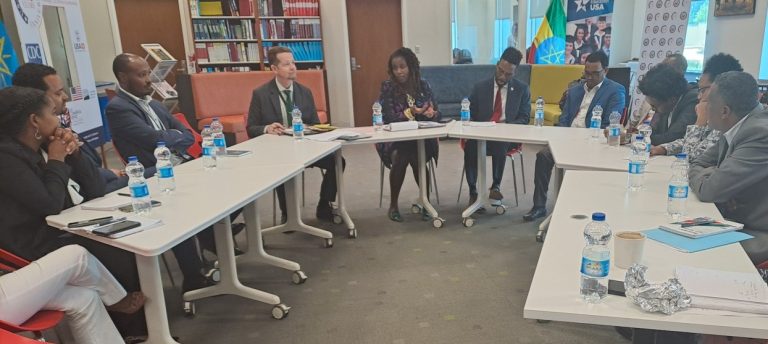
It was also noted that during the International Education Week, the U.S. Embassy held “Studying in the U.S.” information sessions for students at Jimma and Mekelle Universities, facilitating panel discussions at the American Spaces on “International Partnerships in education to prepare students for a global workforce in a rapidly changing world,” and hosting a virtual panel discussion with Study Texas Systems.
EAS also in its social media indicated : “This initiative aims to bolster academic freedom, improve financial control, and elevate the quality of education within the country’s higher education system. By supporting the move towards autonomy, the agreement sets the stage for Ethiopian universities to become more self-sufficient, flexible, and better equipped to respond to the needs of students, faculty, and society at large.”
EAS pointed out that the grant signing event was officially opened by Prof. Teketel Yohannes, the Executive Director of EAS, who delivered a welcoming speech to launch the proceedings and set the tone for the day.
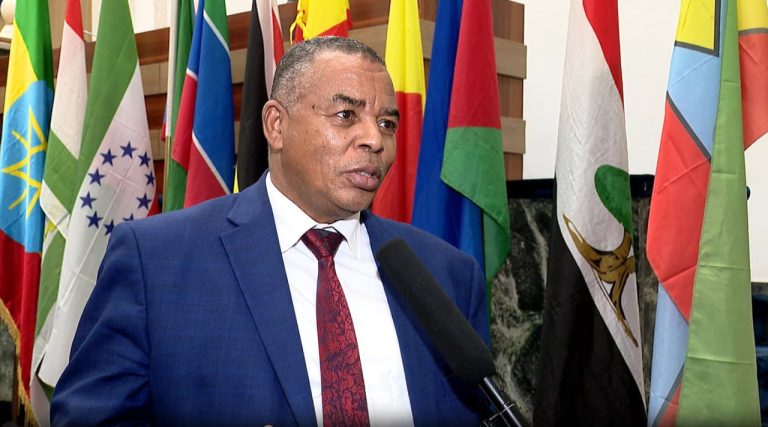
Prof. Belay Kassa, President of the EAS, at the occasion expressed his gratitude to the U.S. Embassy for its continued commitment to supporting the transition of Ethiopian public universities to autonomous governance.
The president underscored the importance of the partnership, noting that it would be instrumental in fostering a more independent and effective higher education system in Ethiopia.
Prof. Belay further explained that the EAS’s role in this initiative would be to provide technical assistance to Ethiopian universities as they navigate the complex process of transitioning to autonomy.
Ambassador, Massinga, expressed his gratitude to the EAS for its valuable partnership with the U.S. Embassy in supporting the transition of Ethiopian public universities to autonomy.
Dr. Solomon Abrha, the Chief Executive Officer for Governance and Infrastructure at the Ministry of Education, spoke at the ceremony, highlighting the Ethiopian government’s ongoing efforts to improve the quality of education nationwide.
He noted that positive results were already being observed in higher education institutions, reflecting the success of recent reforms.
He also emphasized the importance of transforming public universities towards autonomy to achieve greater academic freedom, increased financial control, stronger connections with both domestic and international partners, and, most importantly, an improved quality of education.
Potential of Autonomous Universities
At to Abebe Walle Menberu, a Doctor of Business Leadership at Bahir Dar University, autonomous universities hold the promise of significantly improving the quality of higher education by customizing programs to meet economic needs, prioritizing research activities, and cultivating robust partnerships with industries.
“This strategy can bolster economic development by producing competent graduates, fostering technological advancements, and facilitating the transfer of knowledge.”
The enactment of Regulation No. 537/2023 by the Addis Ababa University establishment Council of Ministers exemplifies this reform, providing universities with significant financial and administrative independence to harmonize their activities with core mandates.
He says that drawing inspiration from esteemed institutions such as Oxford and Harvard, Ethiopia has the potential to establish autonomous universities that emphasize academic freedom, strong governance, and financial self-sufficiency.
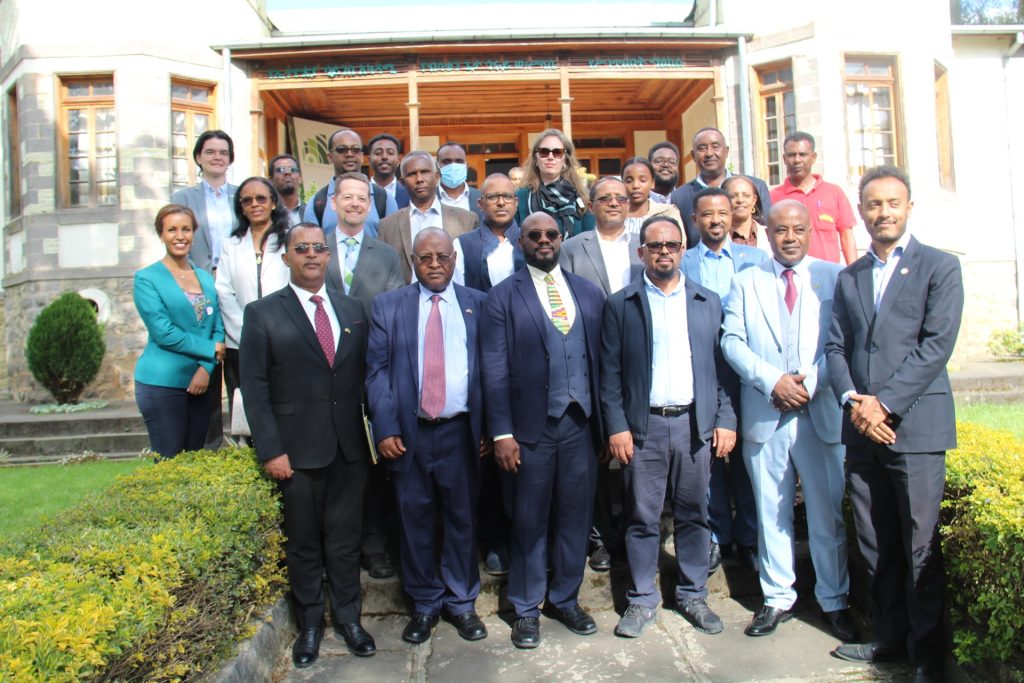
The grant agreement ceremony took place at the EAS headquarters and was attended by a wide range of distinguished guests, including U.S. Embassy officials, representatives from the Ministry of Education, various university presidents and representatives, Fulbright scholars, and members of the media, EAS noted.