By Mekonnen Teshome
Addis Ababa, Ethiopia: Ethiopia’s capital Addis Ababa is going to hold a cycling festival for the first time as part of the city’s multi-billion dollar road infrastructural renovation effort and its call for citizens’ behavioral change in adapting multi-modal and environmental friendly transport system.
This was announced by city Transport Bureau head Mr. Yabibal Addis where he said that the festival will be held on January 5, 2025 with an aim to promote bicycle transport in Addis.
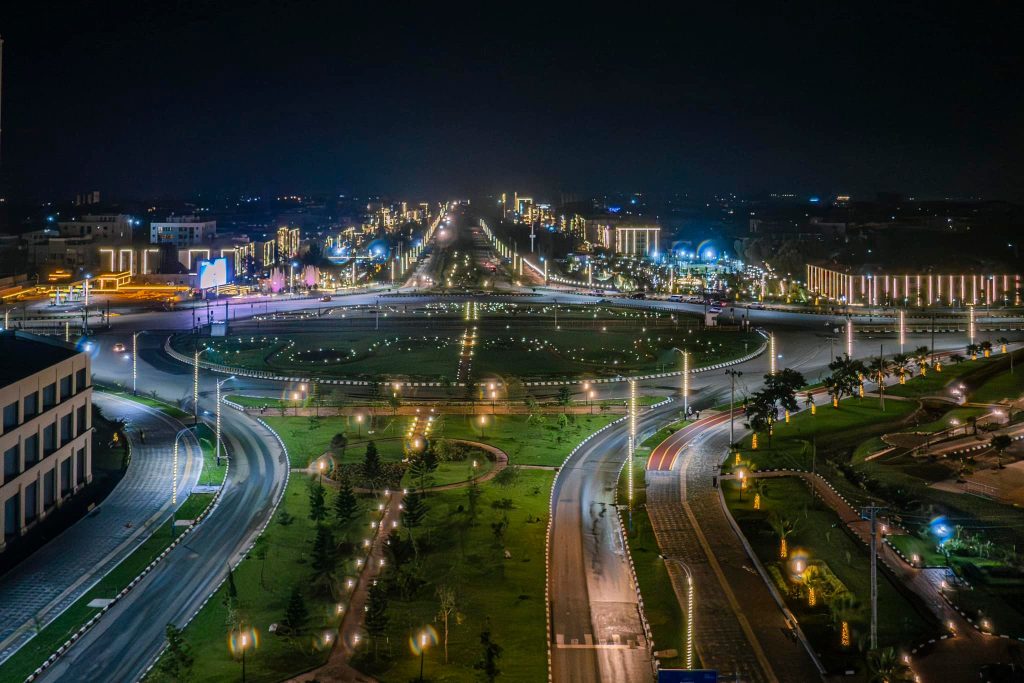
Environment Friendly and Healthy Urban Mobility
The festival that begins the cycling on the Adawa Victory Memorial road to Ras Mekonnen Bridge will also be a permanent monthly public activity in selected streets of the city, according to the head.

Mr. Yabibal said that the major objective of organizing the festival is to raise the awareness of the society on the advantages of non-motorized transport system.
At the occasion, he also pointed out that efforts are being undertaken to make the city’s transportation convenient, safe and accessible.
The head indicated that the wide-ranging road renovation and modernization undertaken by the Addis Ababa city Administration has facilitated a favorable environment for the development of non-motorized transportation, including cycling.
As to the head, bicycle transport has great benefits in terms of health, traffic safety, environment protection, and effective time management.
Addis Ababa, home to 5 million people, or 25 percent of Ethiopia’s urban population, is among the fastest-growing urban areas in the world (World Population Review, 2021; World Bank, 2015). Urban mobility has become inefficient in Addis Ababa due to insufficient public transport service, poor traffic management, and prioritisation of cars rather than people in the design of streets.
Cycling Is A Sustainable Non-Motorised Mode Of Transport
The Addis Ababa Cycle Network Plan 2023-2032 states that the number of private vehicles in the city is rapidly increasing, contributing to worsening congestion, loss of the public realm, air pollution, and traffic fatalities. To tackle these challenges, Addis Ababa needs to invest in efficient, sustainable mobility, including high-quality public transport systems and streets that are safe for active mobility.
Cycling is a sustainable non-motorised mode of transport that can offer low-cost, pollution-free mobility. Cycles occupy minimal street space—only around one-tenth of the space occupied by a car.
Cycling on a segregated track is often faster than using a private motor vehicle, particularly for short- to medium-distance trips. In order to encourage more people to cycle and make cycling accessible to women, Addis Ababa needs a complete and interconnected network of safe bicycle routes.
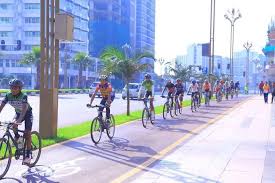
A 200 Km Cycle Network In Addis Ababa
The Addis Ababa Transport Bureau (AATB), in partnership with the Institute for Transportation and Development Policy (ITDP) and United Nations Human Settlements Programme (UN-Habitat), has identified and implemented a network of coherent, continuous, convenient, direct, safe, attractive, accessible, and comfortable cycle facilities.
The recent study that examines the existing cycling environment in Addis Ababa and proposes a phased implementation plan to build out a high-quality cycle network over the short, medium, and long terms. The study aligned with the Addis Ababa NonMotorised Transport (NMT) Strategy, also calls for a 200 km cycle network.