
By Mekonnen Teshome
Addis Ababa, 27 January 2026: A two-day major regional initiative aimed at strengthening biotechnology capacity in East Africa and the Horn of Africa was officially launched today in Addis Ababa, marking a new phase of scientific cooperation and investment in life sciences across the region.
The “Biotechnet II” project launched with a theme “From Capacity Building in Life Sciences to Strategic Impact in Eastern Africa” , is supported by the Italian Agency for Development Cooperation (AICS) and brings together Ethiopia, Djibouti, Kenya, and Uganda in a three-year effort to expand research capacity, enhance innovation, and address shared challenges in health, agriculture, and environmental sustainability.
The launch event was attended by Ethiopia’s State Minister for Innovation and Technology, Dr. Bayisa Bedada, Director General of Ethiopia’s Bio and Emerging Technology Institute (BETin) Prof. Kassahun Tesfaye, the Head of AICS Addis Ababa Office, Dr. Michele Morana, senior government representatives from the four partner countries, and international partners including H.E. Sem Fabrizi, Italian Ambassador to Ethiopia, and senior officials from the International Centre for Genetic Engineering and Biotechnology (ICGEB).
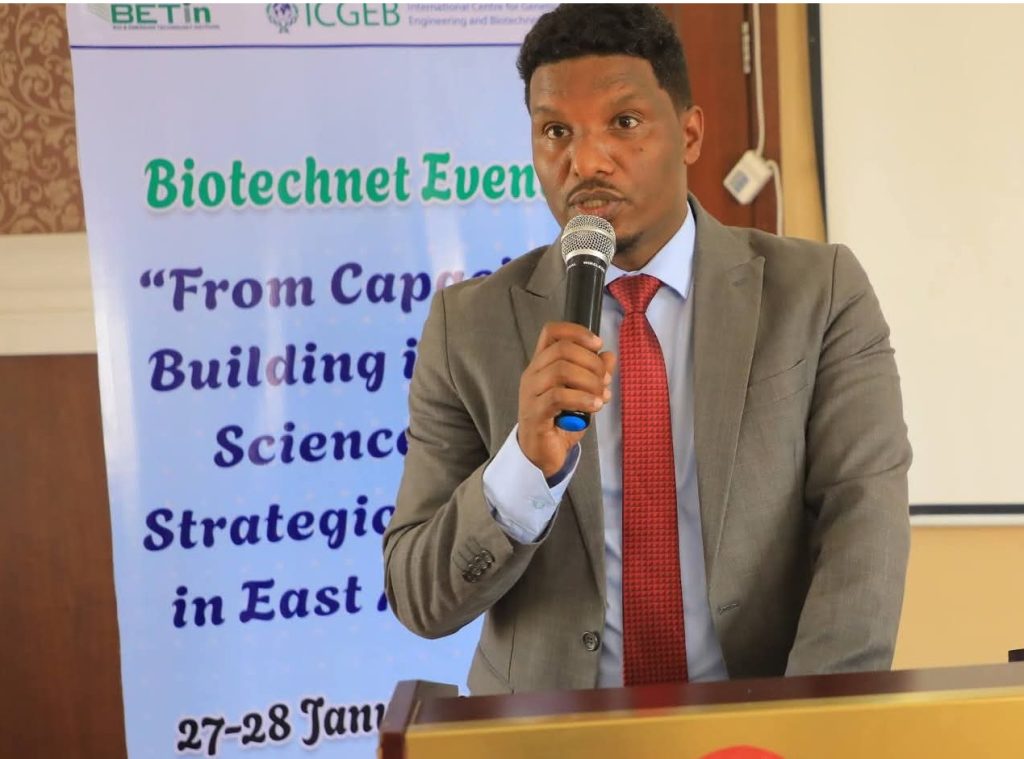
Opening the conference, State Minister Dr. Bayisa Bedada underscored the urgency of regional cooperation. “Pathogens and climate shocks do not respect national borders,” he said. “Regional cooperation is no longer optional—it is essential if we are to grow and prosper together.”
He added that Biotechnet Phase I had clearly demonstrated the importance of investing in life sciences as a foundation for health security, food system resilience, and environmental sustainability.
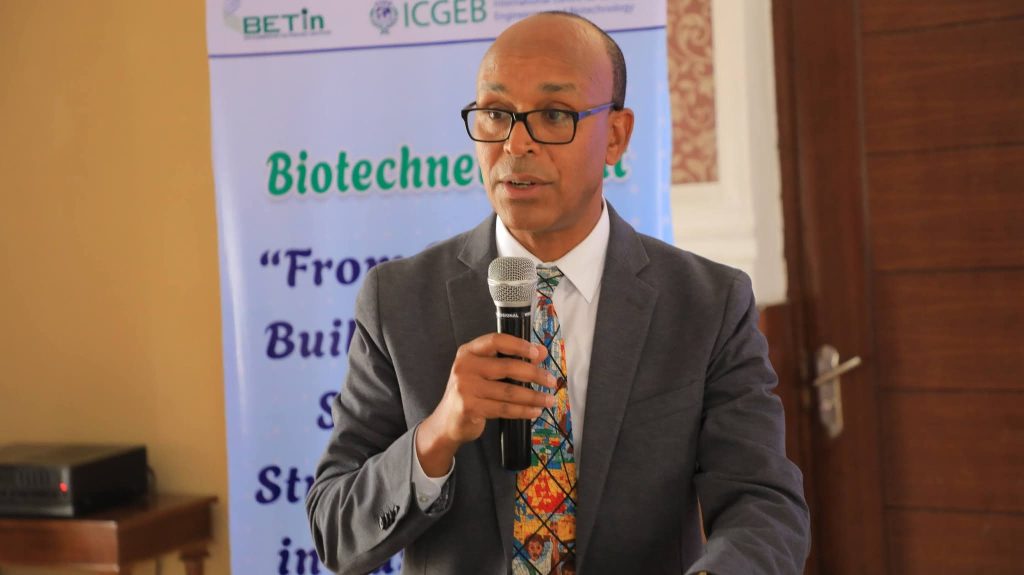
Prof. Kassahun Tesfaye, Director General of BETin, described Biotechnet II as a strategic turning point. “This new phase represents a deliberate shift from capacity building alone toward greater strategic impact,” he said, reaffirming BETin’s commitment to translating scientific innovation into tangible development outcomes.
Biotechnet II builds on the achievements of Biotechnet Phase I, which was launched in 2021 and delivered significant results across the region.
In his message read out at the occasion , by his representative Marianna Maculan, ICGEB Head of External Relations , Director-General of ICGEB Dr. Lawrence Banks passed his massage that the first phase supported more than 20 PhD and postdoctoral researchers, organized over 10 scientific workshops and training courses, and led to the establishment or upgrading of more than 10 national laboratories.
According to Maculan, Dr. Banks said “The decision to fund a second phase is based on the strong impact achieved during Phase I,” adding that “Biotechnet has demonstrated how targeted investment in life sciences can translate into sustainable scientific capacity and regional collaboration.”
With a total budget exceeding €3.7 million, Biotechnet II will run from 2026 to 2029, supporting research grants, laboratory development, scientific meetings, and fellowship programmes. The initiative will focus on key priority areas including public health, sustainable agriculture, industrial biotechnology, renewable energy, and genomic surveillance.
Representing AICS, officials emphasized that the project goes beyond technical support. “Biotechnet has strengthened research skills, supported scientific careers, and enhanced regional collaboration,” an AICS representative noted. “It has also reinforced national capacities to respond to pressing challenges such as disease outbreaks and climate-related shocks.”
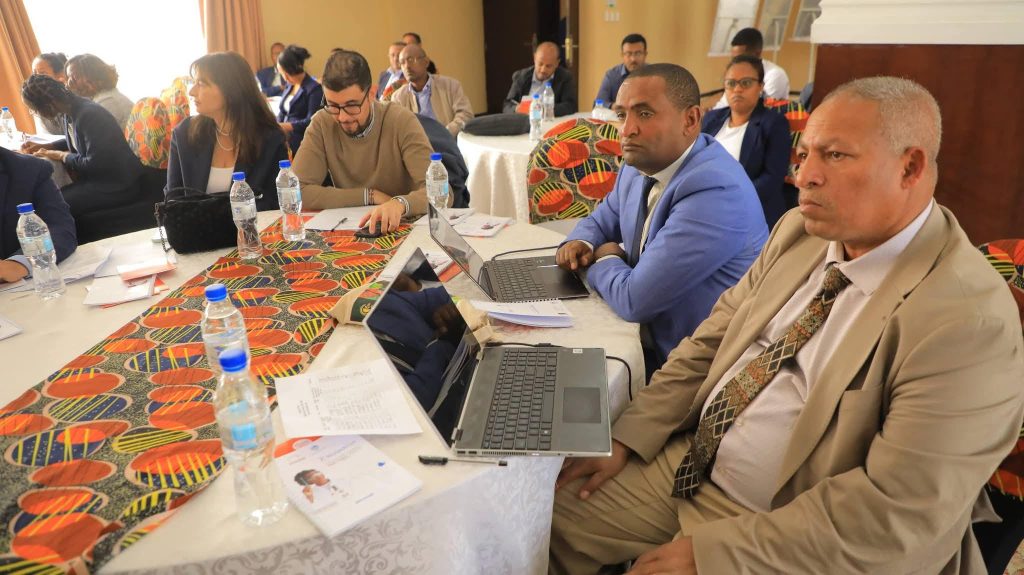
The launch coincided with the opening of a two-day BiotechNet regional event at the Capital Hotel and Spa in Addis Ababa, held under the theme “From Capacity Building in Life Sciences to Strategic Impact in East Africa.” The event, organized by Ethiopia’s Bio and Emerging Technology Institute (BETin) in partnership with ICGEB, brings together policymakers, scientists, and innovators from across the region.
The project places special emphasis on women scientists, researcher mobility, and cross-border collaboration, aiming to position East Africa and the Horn of Africa as an emerging hub for biotechnology innovation.
Scientific sessions and research showcases will continue tomorrow, highlighting collaborative work from Ethiopia, Djibouti, Kenya, and Uganda, and reinforcing the region’s growing role in global life sciences research.