Ethiopia: Partners sign for the implementation of $11.5 million biodiversity program
The Swedish Embassy in Ethiopia and Farm Africa, an international organization working to realize development in rural Africa, have signed a $11.5 million grant agreement to implement a four-year biodiversity program in Ethiopia.
According to Farm Africa, the accord mainly aims at ensuring sustainable development of forests, biodiversity conservation, building of communities’ resilience to climate change and sustainable livelihoods through holistic nature-based solutions.
The financial grant would enable it guarantee nature-based solutions for sustainable and inclusive development in the Wabi-Shebele and Gelale-Dawa, Omo-Gibe and Baro-Akobo, and Rift Valley and Awash basins.
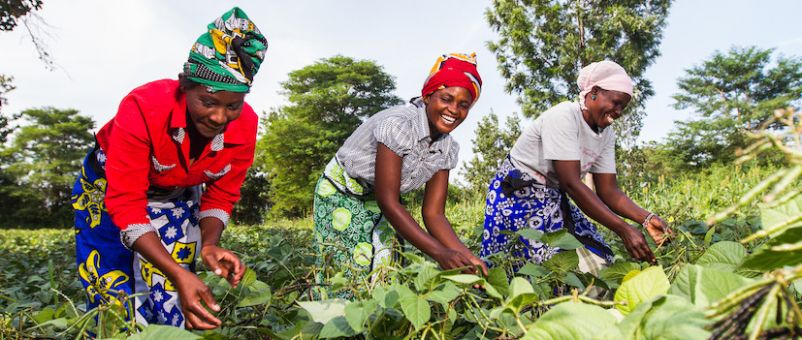
Communities in these agro-ecologies are challenged by multifaceted problems like limited access to agricultural inputs, and lack of knowledge on sustainable land management, which have depleted soil fertility that resulted in low agricultural productivity and reduced food security and meager incomes among the farmers and their families.
Therefore, the programme will focus on five mutually reinforcing outcome that are improved natural resources, biodiversity, and ecosystem services; enhanced sustainable food and nutrition security;inclusive livelihood development; increased climate adaptation and mitigation and reduced resource-based conflicts through gender-sensitive inter-community peace as well as conflict resolution.
The programme is expected to be delivered by a consortium of nine partner organisations: Farm Africa (lead), SOS Sahel Ethiopia (SOS-E), Movement for Ecological Learning and Community Action (MELCA), Sustainable Environment and Development Action (SEDA), ORDA Ethiopia, Population Health & Environment – Ethiopia Consortium (PHE-EC), Union of Ethiopian Women and Children Associations (UEWCA), Environment and Coffee Forest Forum (ECFF), International Water Management Institute (IWMI),” the organization indicated.
In connection with the signing of the grant agreement, Swedish Ambassador to Ethiopia, Hans Henric Lundquist said that the overall objective of this support is to build resilience capacity of vulnerable communities with special attention to women and youth through enhanced natural resource management, increased market integration.
Moreover, the Ambassador added, and institutional development in six areas in Ethiopia to support food and nutrition security of more than 78,000 households through enhanced environmental governance and sustainable livelihood development.
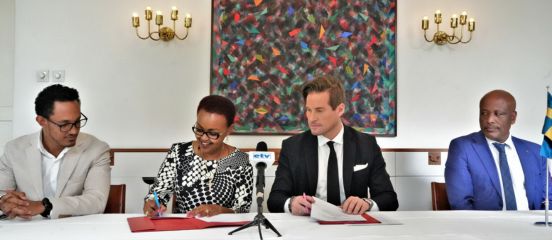
Shewit Emmanuel, Farm Africa’s Ethiopia Country Director on here part said, “We have evolved our approach to integrated landscape management to look at how climate-smart agriculture fits with forestry and other natural resource management, including rangelands. At the heart of the approach across the seven regions is a focus on supporting low-income communities to develop environmentally-friendly livelihoods.”
She added that It’s about scaling up all the best practices Farm Africa and implementing partners have developed so far with support from Sida, and I just want to say thank you so much for the continued support the Swedish government has extended to us.
The financial support will also enable the programme to benefit communities in neighbouring countries, by enhancing ecosystem services such as hydrological regulation, wildlife conservation and biodiversity conservation. South Sudan, Northern Kenya and Somalia will particularly benefit from the programme’s forest conservation work.
Farm Africa also signed a Memorandum of Understanding with Ethiopia’s Ministry of Agriculture to establish collaboration and partnership in natural resources, forest management and biodiversity.
This broader scope of cooperation will enable Farm Africa and the Ministry to work together not only on the Sida-funded project but also on future initiatives.