
Gender Equality
By Mekonnen Teshome Tollera
Evidences including from the UN Women corroborate that women experience different forms of social, economic and political inequalities. They face gender-based violence and dominations even by their own spouses and affected by inequalities in schooling and health care accesses.
Moreover, women around the world in general and in the Eastern Africa in particular, are subjected to various economic challenges due to gender income disparities as well as access to job creation, political discriminations related to low representation in political power and participation. In addition, women shoulder a disproportionate amount of unpaid care, segregation and the freedom for women collective agency.
Manifestations of gender violence and inequalities are related to sexual violence, discrimination in education, child marriage and pregnancy, unrecognized domestic work and the like. These hugely hinders women from all sort of development.
Cognizant of these gender discriminations and their adverse impacts, the International Development Research Centre (IDRC-Canada), Hewlett Foundation and the Bill and Merinda Gates Foundation have forged partnership for the implementation of a five-year major project dubbed “Growth and Economic Opportunities for Women (GrOW) – East Africa” seeking transformative change in advancing gender equality in the sub-region.
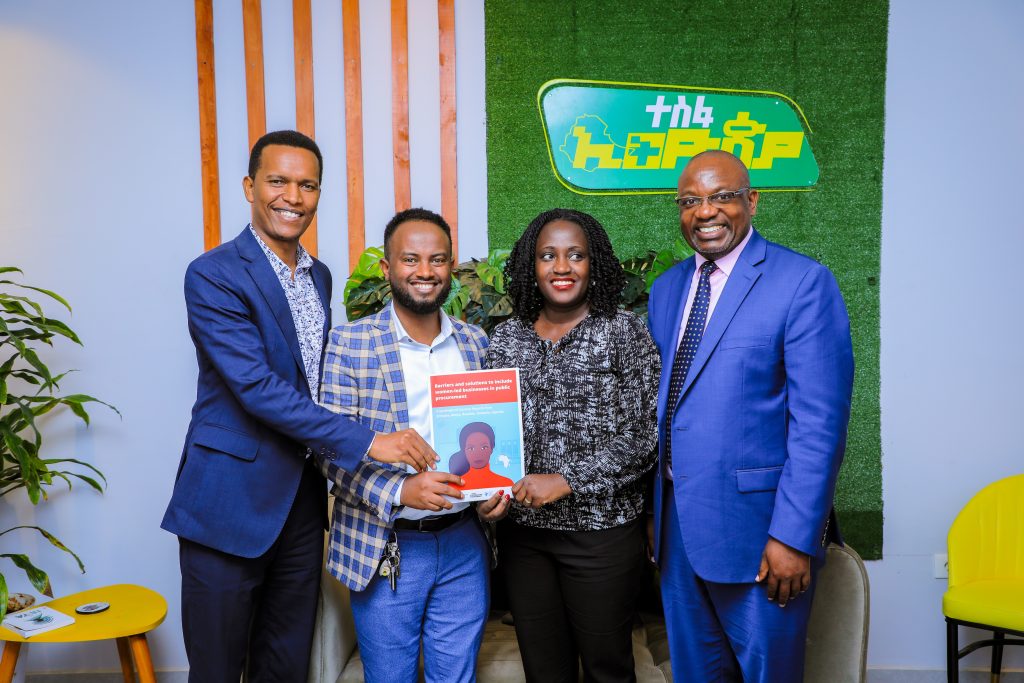
According to Gilbert Sendugwa , Executive Director of the Africa Freedom of Information Centre (AFIC), the GrOW project is a joint initiative designed to advance gender equality in the world of work with a focus on gender segregation, unpaid care, and women’s collective agency.
Sendugwa indicated that AFIC is engaged in “Fostering gender-responsive public procurement” thematic area of the project that focuses on the understanding the barriers and solutions to include women-led businesses in East Africa and which is one of the 11 projects funded under the initiative.
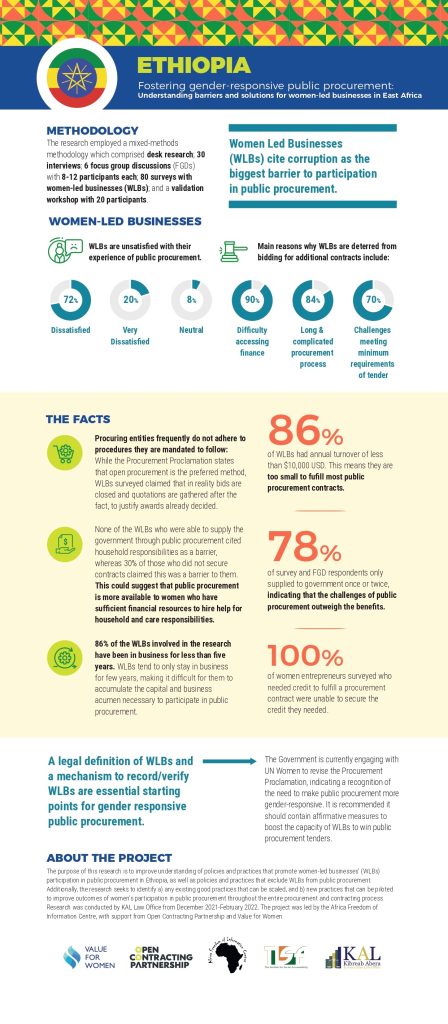
“Regarding our project, it is conceived out of the concern that whereas governments in the region spend over 60% of their national budgets every year through public procurement, women-owned business take less than 1% of this spending- increasing gender inequality. We sought to investigate barriers to women’s participation in public procurement in East Africa (Ethiopia, Kenya, Rwanda, Tanzania and Uganda) and suggest solutions,” Mr. Sendugwa writes to https://www.africandemystifier.com/.
AFIC Secretariat has made advocacy support missions to Ethiopia, Kenya and Tanzania to support our partners increase the uptake of the research by various stakeholders in each of the countries, he added.
Advocacy activities undertaken in Ethiopia have laid a foundation for further action and collaboration between AFIC, its partners, and the Ethiopian government, the centre says.
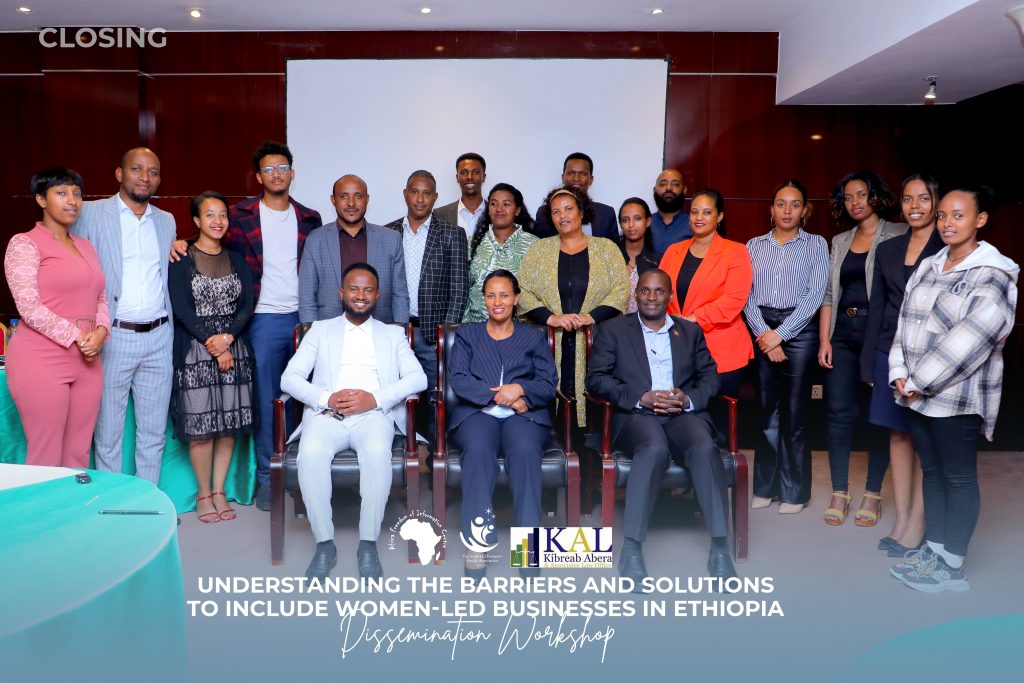
AFIC’s successful engagements with state actors
Reports from the AFIC show that the centre has undertaken a series of successful engagements with state actors in Ethiopia as part of its advocacy activities and aiming at to promoting gender-responsive public procurement and addresses the barriers faced by women-led businesses in accessing public procurement contracts in East Africa.
“The research study conducted by AFIC in collaboration with its country partners in Ethiopia, Kenya, Tanzania, Rwanda, and Uganda shed light on the underrepresentation of women-led businesses in accessing government procurement contracts, despite significant government spending on procurement each year,” the report states.
The major objective of the study is to identify the barriers and propose solutions to foster the inclusion of women-led businesses in the procurement processes in the target countries.
ChildFund – Ethiopia is one of the participating partners in the action researches of GrOW project envisioning to generate evidence for revising Ethiopia’s ECD policy by engaging various stakeholders and policy makers.
Early Childhood Development Specialist with ChildFund – Ethiopia Mr. Natan Tilahun says that one of the joint researches supported by IDRC focus on assessing whether subsidized and enhanced quality community-based childcare services can improve women’s economic wellbeing and empowerment while promoting Early Childhood Development (ECD).
“The project’s major activities include establishment of childcare centers and capacity building support to parents/caregivers, childcare workers, and other stakeholders on ECD; Activities to promote Women Economic Empowerment, particularly focusing on mothers of children at childcare centers; Impact evaluation and qualitative research to generate evidence; and Advocacy interventions targeting policy makers at different levels of government,” he added.
Partners of the GrOW project believe that it is imperative not only increasing the number of women who work for pay is not enough but also empowering women in the economy and closing gender gaps in the world of work are key to achieving gender equality.
Millions of women in the eastern Africa region work in the lowest-earning and informal sector and most of the time they suffer from unpaid care work at home.
Therefore, the GrOW – East Africa is aiming at developing effective approaches and solutions that will empower women and girls to take charge of their own lives and livelihoods.
The project is expected to design complementary approaches to address persistent economic gender gaps through supporting for innovative research and synthesis of locally grounded research to test and scale solutions for reducing and redistributing unpaid care and removing the gender segregation of work, research accompaniment projects to improve understanding and inform the scaling of promising women’s empowerment initiatives, forging partnerships with public and private sector actors and systematic reviews and state-of-the-art synthesis studies among others.