By Mekonnen Teshome
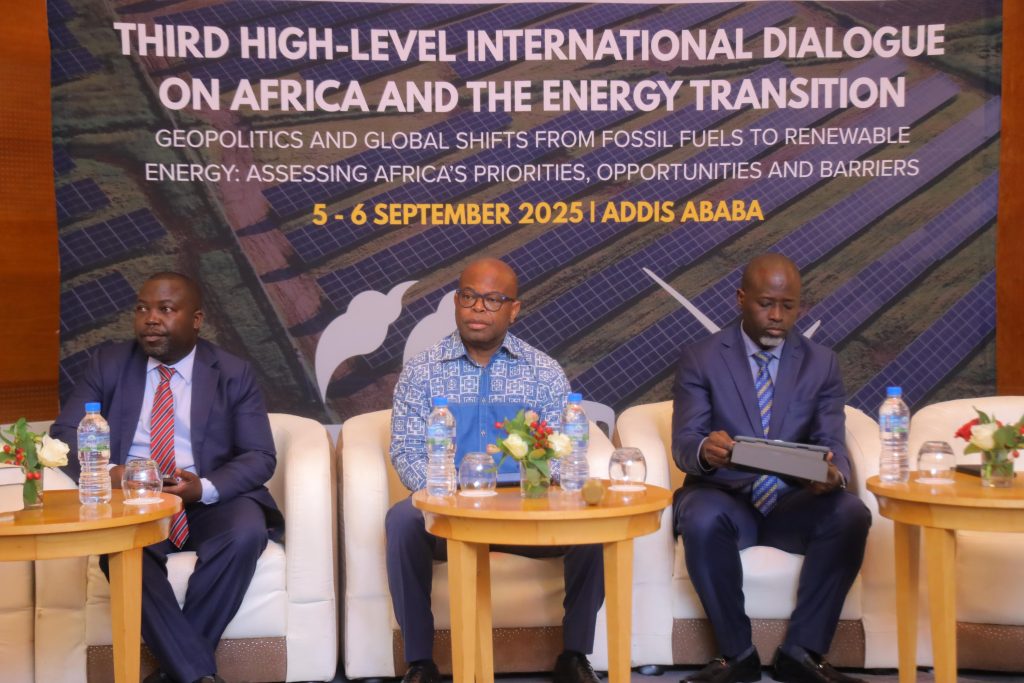
Africa’s experts in the energy and extractive industries gathered for the “The Third High-Level International Dialogue on Africa and the Energy Transition” in Addis Ababa, Ethiopia, September 5-6, 2025, highlighted that Africa can benefit from the rising demand for critical energy transition minerals (CETMs) but it has to address the sector’s prevalent challenges related to governance, social equity and climate resilience.
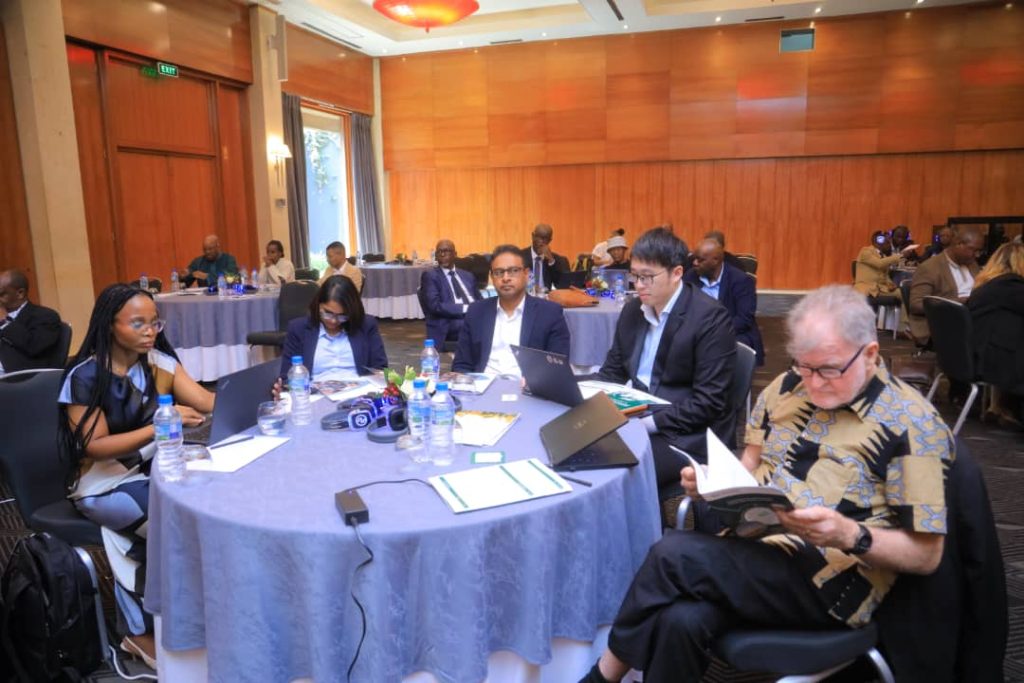
The over 80 participants that include policymakers, civil society, academia, and industry who have come together in Ethiopia’s capital, Addis Ababa open the international dialogue to address Africa’s role in the global energy transition.
The need to global energy transition and geopolitics
The experts in their dialogue themed “Geopolitics and Global Shifts from Fossil Fuels to Renewable Energy: Assessing Africa’s Priorities, Opportunities and Barriers,” are expected to look into Africa’s potential to lead in critical energy transition minerals (CETMs) and green technology manufacturing, the geopolitical dynamics of CETMs and strategies for African agency and the future of fossil fuels in Africa’s energy landscape.
They would also address the implications of Just Energy Transition (JET) for communities, workers, and the environment, the role of philanthropy in financing Africa’s energy transition as well as the role of Africa’s public leadership and diplomacy in navigating the geopolitics of the energy transition and advancing.
Targeting African Climate Summit and COP30
The two-day dialogue going on with transformational interests towards the second African Climate Summit (ACS2) , to be held in Addis Ababa, 8-10 September 2025, is also part of COP30 and the side event under South Africa’s G20 Presidency and beyond.
The Southern Africa resource watch, Southern Africa Trust, in its statement indicated: “As the continent faces mounting pressure to decarbonise while leveraging its vast mineral wealth, this dialogue provides a critical platform to assess Africa’s priorities, opportunities, and barriers.”
Its policy brief also offers essential context for this conversation, ‘The Extractives Sector and the Transition to a Low Carbon Economy in Africa.’
Research and Evidence
The study’s findings, policy brief and recommendations directly inform the strategic themes of the dialogue, including just energy transition, geopolitics of CETMs, and the future of fossil fuels.
It highlights the region’s rich mineral resources and the policy interventions needed to ensure inclusive, sustainable development.
“Africa holds over 30% of global reserves of these minerals, yet continues to face systemic poverty and underdevelopment. The study explores how inclusive governance, community empowerment, and strategic investment can transform extractives into a driver of climate resilience and social justice.”
Women and youth, the most affected Ones
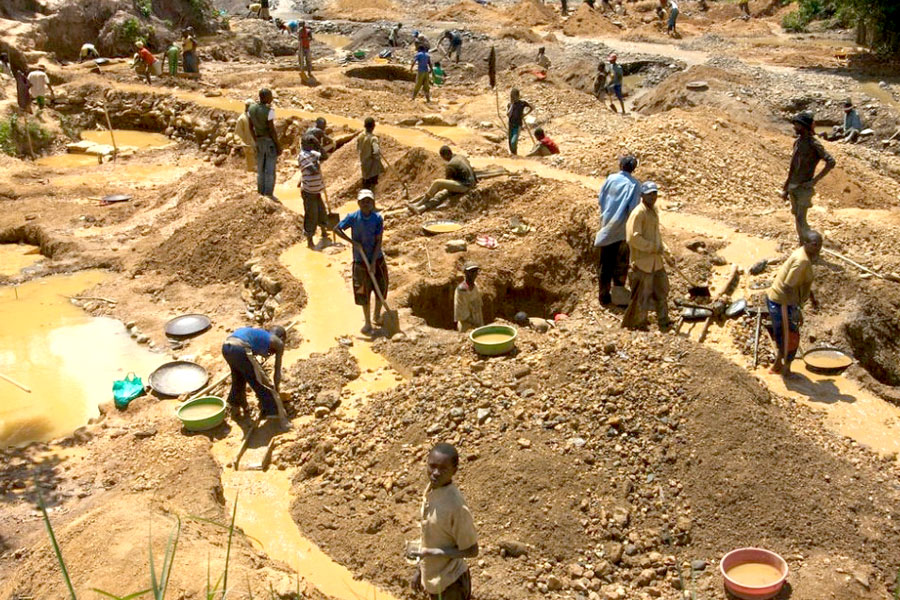
According to the report, women and youth are disproportionately affected by the extractives sector. They dominate informal employment, often under precarious conditions, and face exclusion from decision-making processes.
Extractive activities frequently lead to land dispossession, gender-based violence, and limited access to benefits. A just energy transition must centre the voices and rights of these groups to ensure equitable outcomes.