Climate change is a very real crisis — altering not only our planet but the lives and health of the world’s children. From pregnancy to adolescence, climate change is impacting almost every aspect of child health and well-being.
Because they are uniquely vulnerable to climate-related hazards, children are disproportionately impacted compared to adults. While we may think of children as tiny adults, that’s simply not the case biologically. Their bodies are fundamentally different, and research shows that the health and development of children’s brains, lungs, immune systems and other critical functions are affected by the environment they grow up in.
Climate change poses the single biggest threat to the future of today’s children. The science is clear – we are facing an international climate emergency. Urgent action is needed to keep global warming below 1.5°C and drastically reduce greenhouse emissions. A healthy and sustainable future for children requires the global economy to be largely free of carbon pollution by 2050.
While climate change impacts children worldwide regardless of geography, nearly half the world’s children — over 1 billion — live in countries that are at extremely high risk of the impacts of climate change.
The health impacts of climate change on children compound when they are exposed to overlapping climate-related hazards that often create or exacerbate other challenges. Here are a few examples of climate-related issues that children around the world are facing.
Extreme heat
Infants and young children are less able to regulate their body temperature, making them more vulnerable to the short- and long-term effects of heat stress. Their bodies heat up faster, they sweat less efficiently and they cool down more slowly. As a result, young children are more prone to dehydration and diminished sleep quality, which can affect mental health, and cognitive and physical development. Extreme heat is also linked to an increase in mental health problems, including post-traumatic stress disorder and depression, in children and adolescents.
For children dealing with other health issues like respiratory illness or intestinal disease, high temperatures only make things worse. Even in pregnancy, heat exposure can result in premature birth, low birth weight, stillbirth and congenital anomalies. Half of all children living in Europe and Central Asia are exposed to frequent heat waves as temperatures in those regions are rising at a faster rate than any other part of the world.
Drought
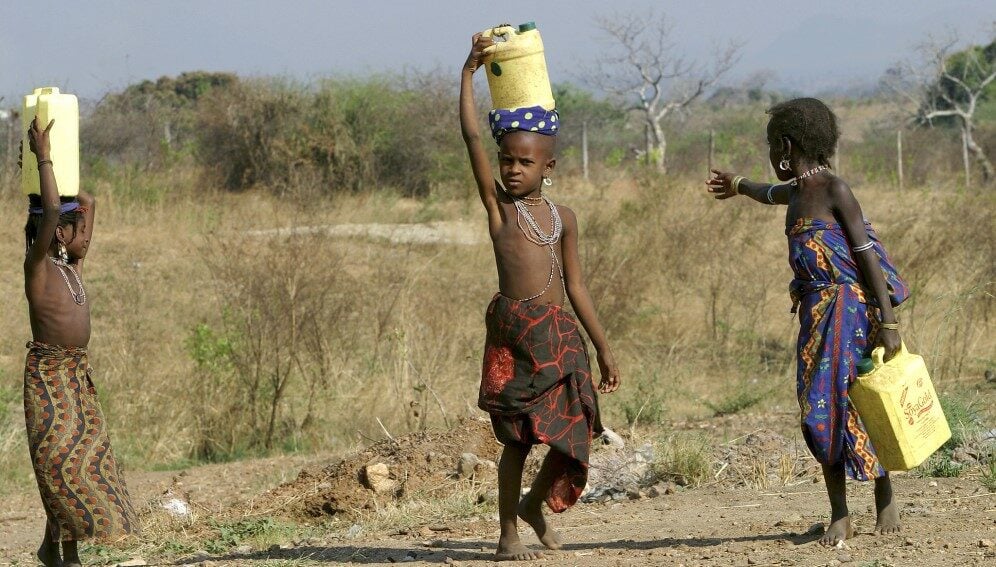
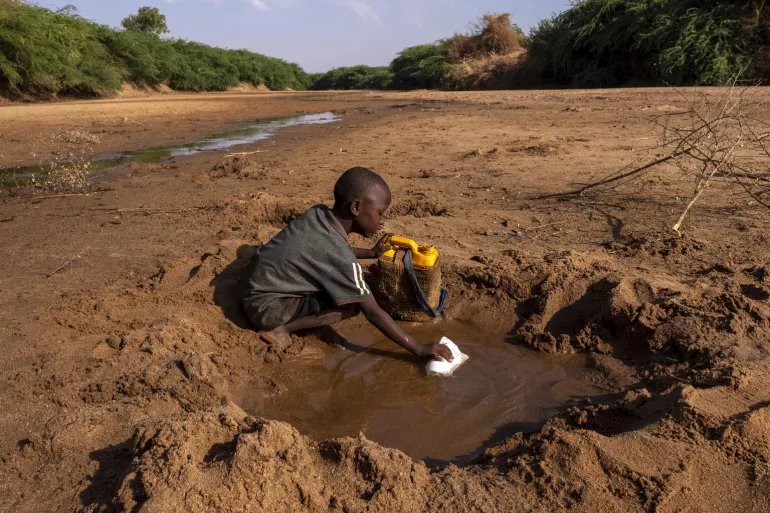
Increasing droughts often impact crop production and livestock, leading to a decline in household income and an increase in food prices. This combination results in food insecurity, water scarcity and malnutrition. In Brazil’s Amazon region for example, an estimated 115,000 children and adolescents living in indigenous villages and riverside communities are impacted by drought as of September 2024.
In addition to chronic and acute malnutrition risks, particularly for children 2-5 years old, drought also impacts community health services, with basic health care centers being forced to shut down due to water shortages. As of 2022, almost 750 million children worldwide were exposed to high or extremely high water scarcity.
Wildfires
Droughts create a breeding ground for wildfires, which pose an immediate risk to anything and anyone in their path. Exposure to far-reaching smoke from wildfires can be more hazardous, especially to children, than air pollution alone. In areas of Peru and Brazil, wildfires and the resulting waves of smoke have increased, causing many districts in the Amazon region to declare a state of emergency in September 2024.
Floods and storms
Climate-related extreme weather events, like floods, cyclones, typhoons and hurricanes, can cause a plethora of challenges for children. Health and social services are often impacted by storm damage, resulting in an increase in infections, mental health challenges and nutrition issues. According to UNICEF’s Children’s Climate Risk Index updated in November 2023, 40 million children have their education disrupted every year by climate-change related disasters, a number that continues to increase.
Air pollution
Children are uniquely vulnerable to air pollution. For example, children inhale more air per kilogram of body weight and absorb more pollutants relative to adults, all while their lungs, bodies and brains are still developing.
The State of Global Air 2024 report, released by the Health Effects Institute in partnership with UNICEF, finds that children under age 5 exposed to air pollution experience adverse health effects that can include premature birth, low birth weight, asthma and lung diseases.
Children who breathe polluted air are at higher risk of acute respiratory infections, including pneumonia — the largest infectious cause of death in children, responsible for 1 in 5 deaths globally. In East, West, Central and Southern Africa, the air pollution–linked death rate among children under 5 is 100 times higher than their counterparts in high-income countries.
Changing ecosystems
In addition to all the hazards above, climate change threatens to disrupt the delicate balance of the world’s ecosystems, leading to shifts that impact all living things. Changing patterns of infectious diseases — including food- and water-borne diseases — and respiratory diseases can have serious impacts on children’s health.
“Despite the overwhelming evidence of the disproportionate impact of climate change on children, their needs, rights and perspectives remain inadequately reflected in the majority of climate policies, action and investment,” says van der Heijden.