By Mekonnen Teshome
Nation targets USD 1,200 billion in energy savings, a 50% reduction in deforestation
Addis Ababa, Ethiopia: The United Nations Development Programme in Ethiopia, UNDP-Ethiopia, said that Ethiopia has accomplished what few countries have achieved in addressing the existential threats of climate change and is leading in green energy development with its vast green energy sources.
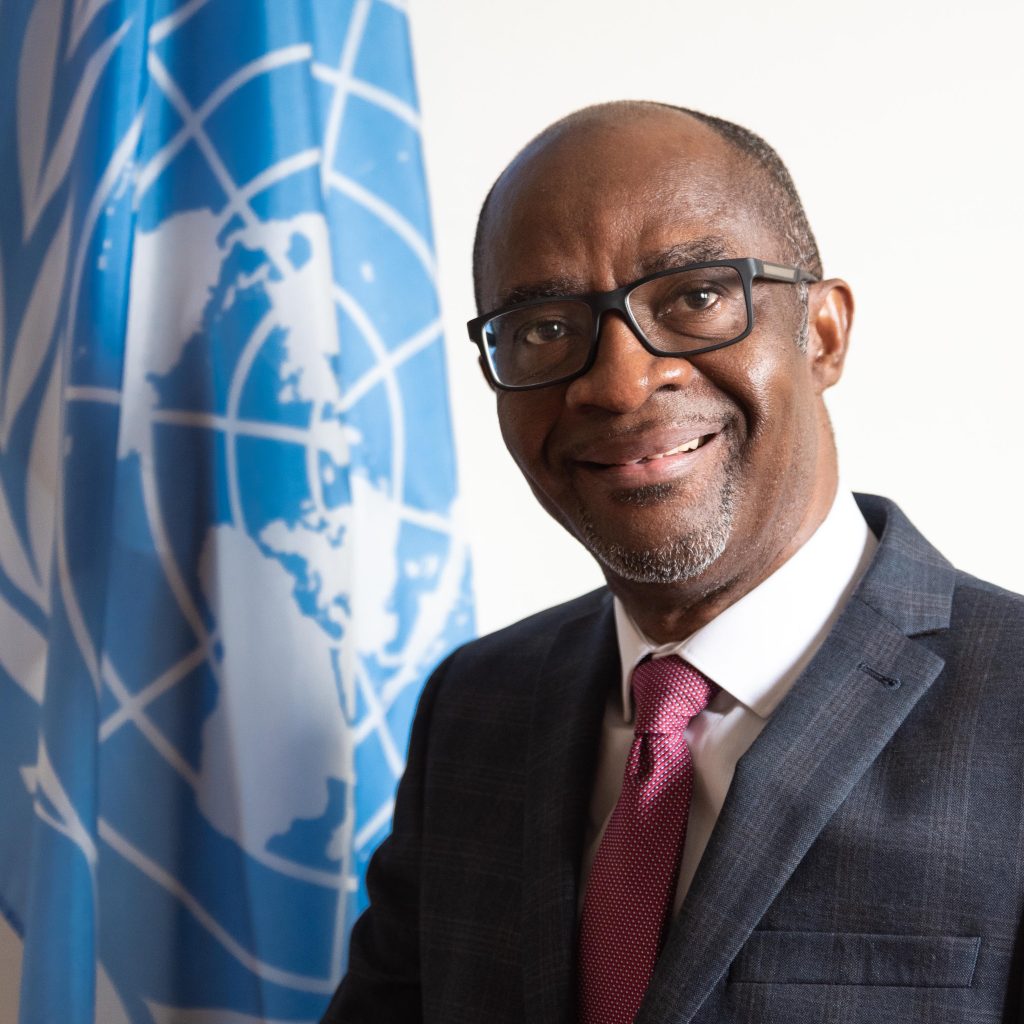
Resident Representative of UNDP-Ethiopia Samuel Gbaydee Doe (Ph.D.), was addressing the Third Annual Development Conference of the UN agency today in Addis Ababa stating that only through his agency’s supported projects over 800,000 households in Ethiopia achieved access to sustainable energy technologies in the last two years where a total of approximately 4.1 million people benefited from the project.
Energy Transition
He added that the projects were designed and implemented in partnership with the Government of Ethiopia, the Global Environment Facility (GEF), Sweden, China, and other partners, and added that the UN agency set to scale these initiatives in the next five years through stronger private sector partnership-culminating the 2030 Agenda for Sustainable Development.
Moreover, he indicated, that Ethiopia has also made significant strides in implementing its Nationally Determined Contributions (NDCs), showcasing its commitment to the Paris Agreement and its dedication to a sustainable future.
“The country is endowed with vast resources for green energy-be it solar, wind, hydro, or geothermal. This potential not only paves the way for job creation but also accelerates Ethiopia’s goal of achieving universal access to green and affordable energy by 2030; and to regional integration and peace.
“The country is already exporting green energy to its neighbors. Sharing this critical economic resource with neighbors can be a binding force for peace in the Horn of Africa region. It is my hope that public-private-partnership will be unleashed in the energy sector to harness this vast resource.”
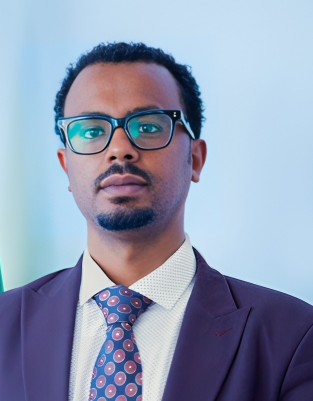
Ethiopian Planning and Development State Minister Bereket Fesehatsion Tesfamariam on his part pointed out that in 2021, Ethiopia submitted its updated Nationally Determined Contributions (NDCs) to the UNFCCC, aiming to reduce greenhouse gas emissions by 68.8% by 2030, alongside implementing 40 adaptation interventions targeting the most vulnerable sectors.
Ethiopia is one of the few African countries to have developed a Long-Term Low-Emission and Climate-Resilient Development Strategy (LT-LEDS), which targets a net-zero and climate-resilient economy by 2050, the State Minister said.
—————————————-
Ambitious Plan To Energy Transition
“ If fully implemented, this strategy will yield significant benefits, including an annual GDP increase of 1.8% compared to business as usual a 66% higher GDP by 2050, the creation of 1.25 million green jobs per year which is 865,400 jobs more compared to the business as usual scenario, prevention of 200 million tons of crop losses , energy savings amounting to USD 1,200 billion and a 50% reduction in deforestation.”
As to Mr. Bereket Ethiopia’s Green Transport Transition is well underway, as the country shifts its transport sector towards e-mobility, reducing carbon emissions and promoting sustainability.
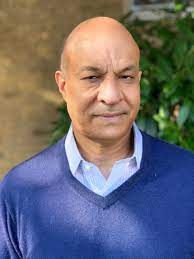
Economic Advisor and team lead for UNDP-Ethiopia’s Policy Development and Research Hub, Mr Ali Zafar said that Ethiopia has a huge solar power potential with an estimated sun radiance capacity 28000 M.W (Energy Analytics) and an estimated potential 10000 MW from wind and also the sectors are constrained by intermittency, storage costs, limited engagement of private sector, regulations by high upfront costs, logistics, land issues, intermittency and storage costs as well as security risks.
“Our analytical study documents Ethiopia’s journey towards expanding renewable energy and mobilizing new and innovative sources of climate finance to improve the country’s energy production and boost access for communities,” he said.
According to UNDP the Annual Development Conference is a premier knowledge event organized by UNDP-Ethiopia to bring together policymakers, development experts, and business leaders to address critical issues in sustainable development.
The conference was also organized aiming at assessing Ethiopia’s roadmap for sustainable energy, focusing on: Energy Mix Optimization: Building on hydropower as a baseload energy source while integrating mini-grid, solar, wind, and geothermal projects, policy frameworks, financial innovations, institutional capacity among others.