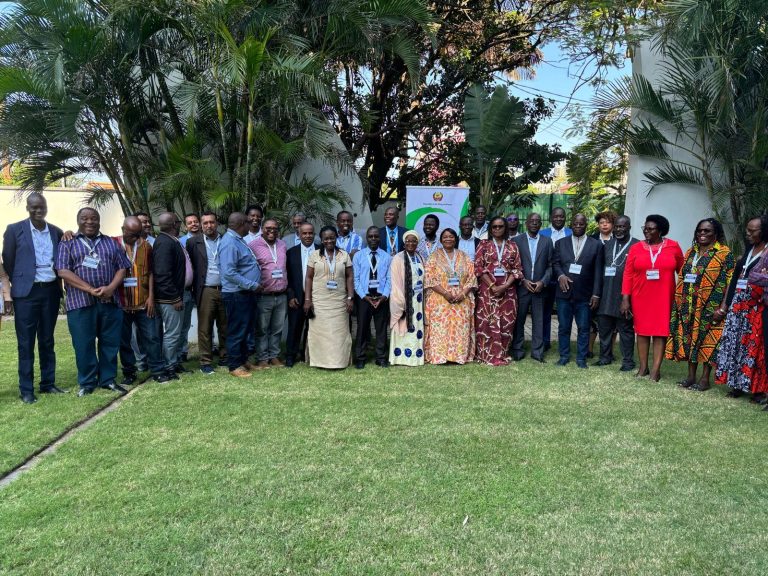
Addis Ababa, Ethiopia: Existence of insects as essential food sources for migratory birds and birds playing vital roles in ensuring the health of ecosystems, the two creatures co-exist maintaining a livable environment for humanity, Species Conservation and Sciences VP at the African Wildlife Foundation (AWF) Dr. Philip Muruthi underscores.
The Birds-Insects-Ecosystem Health Nexus
Approached by African Demystifier as part of the World Migratory Bird Day 2024, Dr. Muruthi said that migratory birds need abundance of insects as themselves and their young ones depend on insects for food during migration and to facilitate their breeding as well.
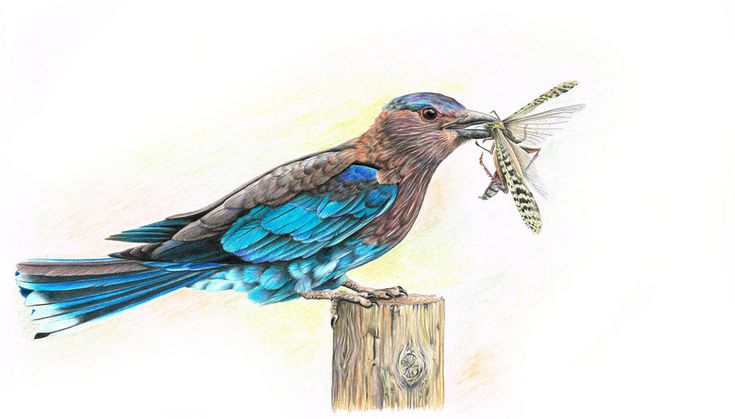
“There are various ways in which birds and insects are connected. Insects as food for them– migrating birds eat insects and route and use energy to reproduce and form key structures like eggs hells and the like,” the VP highlighted.
He indicated that insects pollinate plants that produce fruits that may be food for birds and of course, avifauna like sunbirds, hummingbirds are pollinators too. Some insects and birds have co-evolved, he added.
However, he said insects could also pose disease risks to birds. For instance, West Nile Virus and Avian Malaria carried by mosquitoes are cases in point.
“ Migratory birds help to keep healthy ecosystems in Africa though seed dispersal, pest control, pollination, nutrient cycling, cultural value, global ecosystem health and generally birds are indicator of ecosystem health,” Dr. Philip Muruthi pointed out.
Regarding global birds population trends the VP said: “Most populations of birds are on decline, less than 10% increasing; some bird species have gone extinct in Africa. African avifauna of prey like vultures are under threat from pesticides with huge ramification for ecosystem health, bird and biodiversity economy.”
“As bio-indicators such as farmland birds, their numbers and distributions are signal quality for environment health, contamination and climate change.”
Countries could loose on benefits of conservation such as available ecosystem goods (food, medicine, timber, etc) and ecosystem services such as clean water – birds as flagships for conserving water bodies. There is a link between good conservation and human well being and economic performance, he further explained.
Climate change and birds
One way of looking into the impacts of climate change on birds is through habitat loss and fragmentation – avifauna and other species require ability to use, move, locate essentials like food and mates, DR. Muruthi elucidates the impact of climate change on avifauna.
“Climate change will affect that ability and especially if the ecological connectivity is disrupted. Some bird species are habitat specialists and are usually affected the most by climate change.”
The United Nations (UN) in its statement issued in connection to the 2024 World Migratory Bird Day said: “Insects are an essential energy source for many migratory bird species during the breeding seasons and their extensive journeys. They significantly affect the timing, duration, and overall success of bird migrations.”
The loss and disturbance of insect populations at breeding sites and along avian migration routes threaten bird survival and well-being, it stated.
“Natural spaces like forests and grasslands that have been transformed or endangered by intensive agriculture or urban development and its effects, such as light pollution, can result in a decline in insect populations. “Pesticides and herbicides designed to protect crops harm insects that avifauna rely on for food, it added.
Speaking on the same, Executive Secretary of the African-Eurasian Waterbird Agreement (AEWA) Jacques Trouvilliez was also quoted as saying “Insects are key to the survival and breeding success of many migratory birds. These include some migratory waterbirds such as the Northern Bald Ibis and the Sociable Lapwing – both AEWA endangered species that are also featured on the global World Migratory Bird Day poster this year. Intensive use of pesticides is one of the main reasons for the decline of insect populations. By protecting insects, we protect our migratory avifauna.”
Available sources indicate that Ethiopia is home to an impressive number of species of birds that vary from residents, that stay all year around, to breeding birds, that spend a good part of the growing season in Ethiopia to raise their young, migrants who pass through Ethiopia with the seasons, to wintering birds who like to spend a good part of the winter in Ethiopia to escape colder conditions up north.
About 835 species of birds are known to inhabit in Ethiopia, 23 are found exclusively within the country’s boundaries. Most of these 23 endemic birds are widely distributed, chiefly on the western and southern highland plateau.
Twice a year, at least 4,000 species of migratory birds worldwide will depart from their homes and move to a completely different geography, some traveling thousands of kilometers, to pursue optimal conditions for eating, breeding, and raising their young.
Studies have revealed some incredible avian journeys. The red knot travels up to 16,000 kilometers twice a year, breeding in Siberia and wintering on the western coasts of Africa. The bar-headed goose has been observed traveling over the Himalayan mountains, reaching altitudes above 7,000 meters.
The bar-tailed godwit flies over 11,000 kilometers non-stop across the Pacific Ocean from Alaska to New Zealand in just over eight days. Though it weighs just about 10 grams, the willow warbler has the longest migration of any songbird, traveling 11,300 kilometers between northeast Siberia and Southern Africa.
World Migratory Bird Day is a global campaign that educates and promotes conservation efforts for migratory birds and their journeys across borders
The 2024 World Migratory Bird Day theme, “Protect Insects, Protect Birds” is an opportunity to raise awareness of the importance of insects, to educate, and to learn. For the first time this year, the theme of the World Migratory Bird Day highlighted the importance of insects for migratory birds, and calls more action to protect decreasing populations of insects.
World Migratory Bird Day is an annual awareness-raising campaign highlighting the need for the conservation of migratory birds and their habitats.