By Mekonnen Teshome in Mozambique, Maputo.
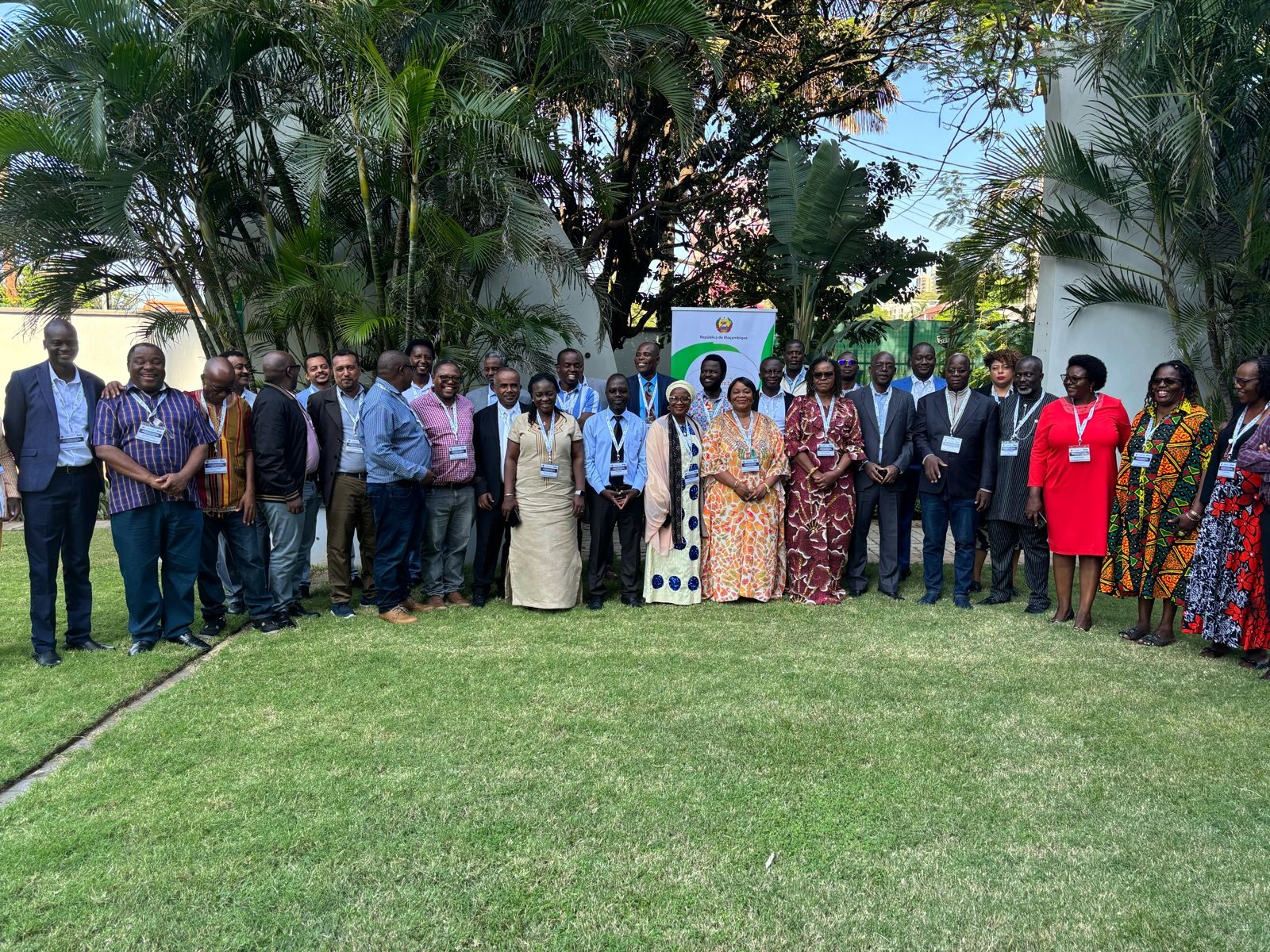
Maputo, Mozambique (April 18,2024) : AUDA-NEPAD Center of Excellence has called for harnessing cross-border knowledge and experiences in modern biotechnology and genome editing to transform Africa’s agricultural sector.
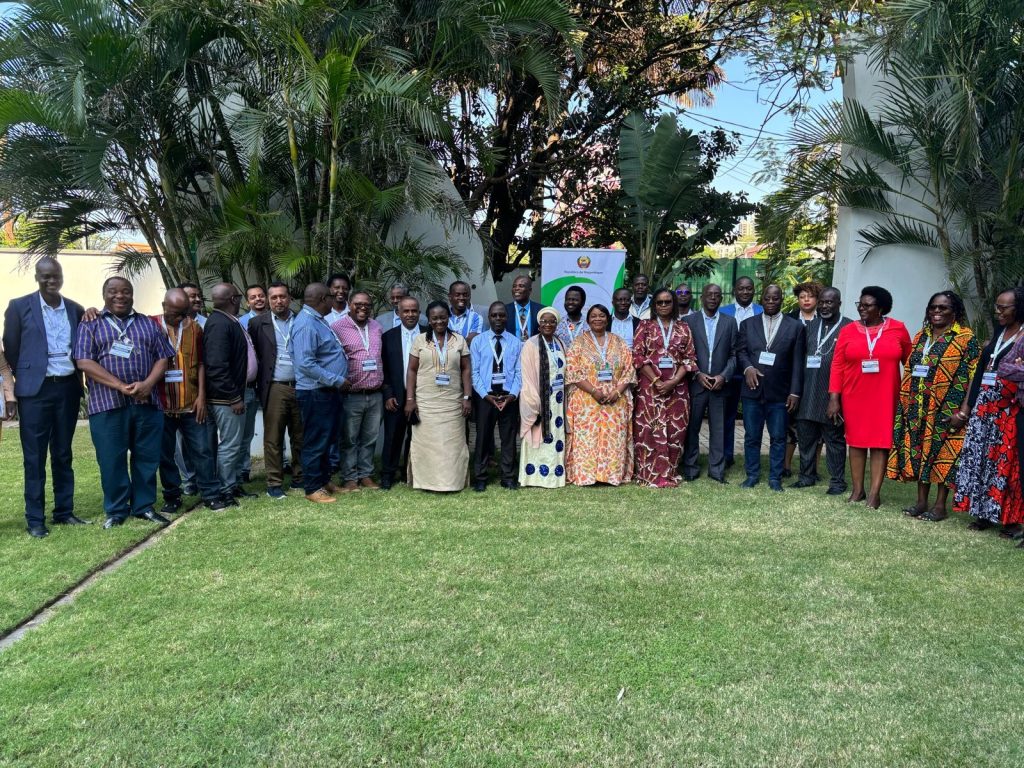
The statement came at the opening of a two-day “Continental Technical Session on the Harmonized Design and Governance Framework of Genome Editing related Communities of Practice” today in Mozambique, Maputo, organized by AUDA-NEPAD.
AUDA-NEPAD Supporting African Countries To Build Capacities i
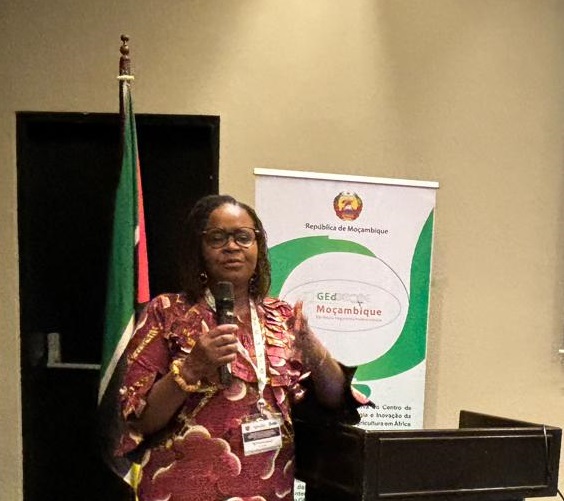
In her opening remark at the occasion, Head of Knowledge Capitalization and Management of AUDA-NEPAD Center of Excellence Mrs Florence Nazare said that African countries need to attach maximum efforts to harmonize local knowledge and experiences in modern biotechnology and Genome Editing (GEd) for the advancement of African Agriculture.
“We Africans need to come together and test what is working and even it is good to verify what doesn’t work in our trials of genome editing researches,” Mrs Florence highlighted.
The Head also indicated that the AUDA-NEPAD has been pushing to bring African biotech experts to connect and exchange experiences as well as benchmarking for the last couple of years, moreover She said, AUDA-NEPAD is also planning to support member courtiers on how to manage Intellectual Property (IP) and Genome Editing product development in the time to come.
Prof. Alsacia Atanasio, Director at Centro Nacional de Biotecnologia e Biociências (CNBB) , also extended her appreciation to AUDA-NEPAD for its stimulating and adoption efforts for GEd products in the African continent.
Prof. Alsacia underlined that before the adoption of GEd agricultural products in Africa, proper awareness and promotional efforts should be made to pave the way for smooth application and genome editing product development and to ultimately advance African agriculture with modern biotechnological science.
Also at the occasion, Ms Susan Dada of AUDA-NEPAD gave an overview of the Status of the GEd project and the meeting objectives indicating that over the two days participants will look into issues including :- rapid mapping of existing Communities of Practice, collective agree on the structure, composition and functions of the CoP, develop TOR for the CoPs, charter for guiding the implementation of the CoPs, process of formation of the CoPs and appointment of the Leads as well as in country activation and implementation.
What is the GEd Science
Genome editing, also called gene editing, is an area of research seeking to modify genes of living organisms to improve our understanding of gene function and develop ways to use it to treat genetic or acquired diseases. Genome editing can be used to correct, introduce or delete almost any DNA sequence in many different types of cells and organisms.
While techniques to modify DNA have existed for several decades, new methods have made genome editing faster, cheaper and more efficient. Genome editing builds on an earlier discovery that a broken section of DNA in a gene triggers a cell’s repair mechanism to stitch together the break. Genome editing allows researchers to mimic this natural process of DNA repair.
Advanced genome editing methods engineered from proteins include zinc-finger nucleases (ZFNs), transcription activator-like effector nucleases (TALENs), and meganucleases. An additional method is called clustered regularly interspaced short palindromic repeats, also known as CRISPR/Cas9.
CRISPR/Cas9 is the most widely used genome editor and is a powerful tool for understanding gene function. Because CRISPR/Cas9 is an RNA-based system, it can be more efficiently and easily modified than the protein-based approaches and allows for targeting of multiple sites.
CRISPR was discovered through NIH-funded basic research on how bacteria defend themselves from viruses. CRISPR/Cas9 works by cutting a DNA sequence at a specific genetic location and deleting or inserting DNA sequences, which can change a single base pair of DNA, large pieces of chromosomes, or regulation of gene expression levels.