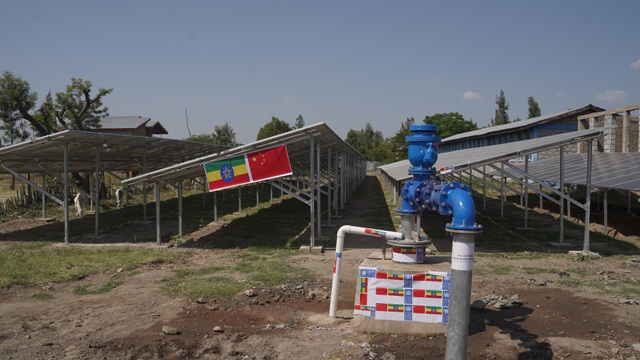
UNDP Ethiopia and its partners have provided a solar-powered irrigation system to 750 farmers in Dore Bafana kebele, Hawassa Zuria Woreda, Sidama Region, enabling them enhance agricultural productivity and boost their household income.
A Model Initiative
The newly inaugurated project also serves as a replicable model for integrating renewable energy into agriculture and showcases the transformative potential of renewable energy solutions beyond its environmental benefits, UNDP said.
What is more interesting about the project is that 40% of its beneficiary are women and seeks to change the traditional irrigation practices while cutting 329.115 tons of CO₂ equivalent annually, which significantly contributes to reducing environmental impact.
The irrigation system enables the farmers to irrigate up to 150 hectares of land, to enhance sustainable irrigation and to achieve annual energy savings of 312,440 kWh and to reduce electricity costs by 9,861,120 ETB, UNDP indicated in its recent report.
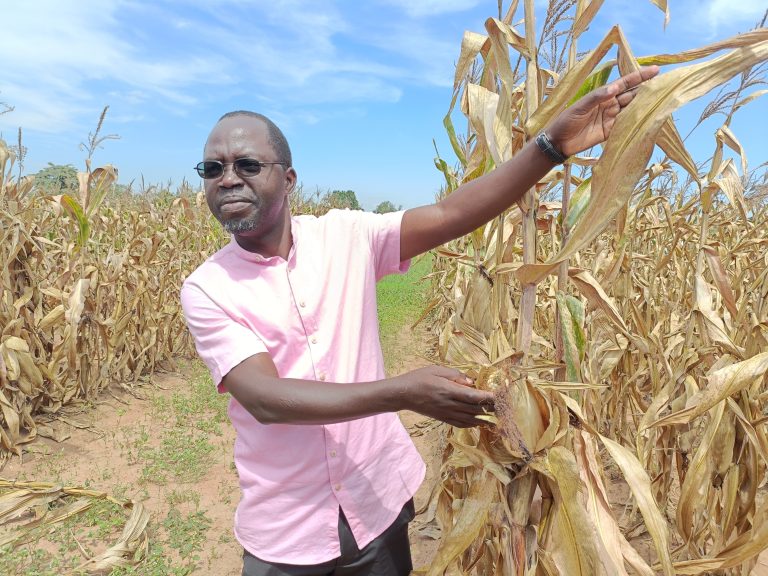
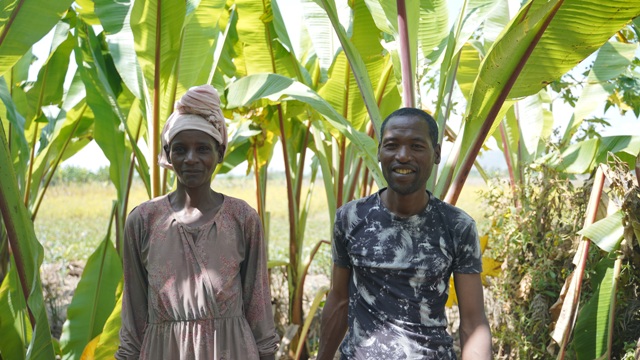
Petros Shibiru, a farmer from Dore Kebele in Hawassa Zuria, Sidama Region, has dedicated over four decades to farming, the report pointed out and adding that he grows maize, red bean, and Ensete plants primarily.
For Petros and his community, the official handover of the 145kW solar-powered pumping system in Dore Bafana kebele, Hawassa Zuria Woreda, Sidama Region, on 26 November 2024, marked a significant milestone in their journey towards sustainable agriculture.
“Farming is everything for me and my family. It is our livelihood,” he shared. “So far, our production depends on rainfall, which sometimes changes. Expressing his excitement about the new solar-powered irrigation system, Petros added, “Now, I hope that I will produce a variety of products with the support of the solar power irrigation system.”
The handover ceremony was co-organized by the United Nations Development Programme (UNDP), the Ministry of Water and Energy (MoWE), the Chinese Embassy, the Sidama National Regional State, and its Water Mine and Energy Bureau.
The event highlighted the importance of partnership and the South-South Cooperation framework, which promotes international engagement on renewable energy technologies and skill transfers.
The event was attended by Desta Ledamo, President of the Sidama Regional State, Minister Habtamu Itefa, Ministry of Water and Energy, State Minister Sultan Welle Ahmed, Ministry of Water and Energy, Mr. Yang Yihang, Minister Counselor of the Economic and Commercial Counselor Office of the Chinese Embassy in Ethiopia, Ms. Charu Bist, UNDP Deputy Resident Representative for Programmes. They were joined by senior federal and regional officials, experts, traditional leaders, and rural smallholder farmers.
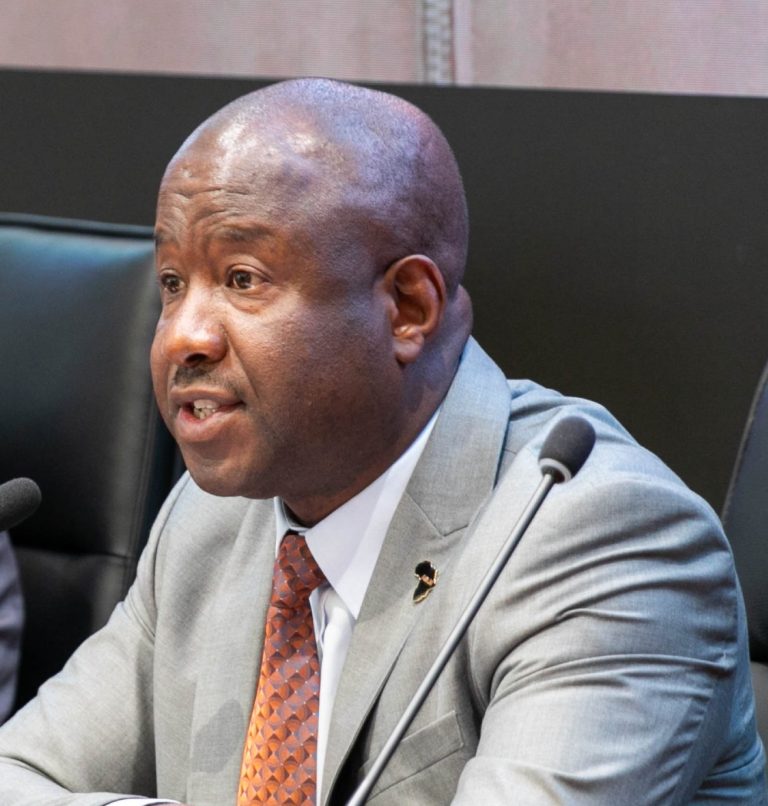
In his innagural remarks, Minister Habtamu Itefa highlighted that “access to energy is a vital driver of overall development of citizens. When citizens have access to energy, agriculture can grow, access to drinking water improves, and industrialization can advance.”
Mr Desta Ledamo, in his keynote address noted that over the past five years Sidama region was implementing five energy projects in Hawassa and the surrounding valued at 1.3 billion birrs.
Desta also highlighted the importance of supporting the agriculture system, which is the backbone of the country’s economy, through the use of technology. “The advancement of technologies in the sector is crucial as it aligns with the national government’s initiatives and policies. The Sidama Regional government, in collaboration with local communities, is working towards the country’s goals and ensuring that these efforts contribute to the economic empowerment of every citizen,” said Mr. Desta.
Minister Habtamu further noted that the Ministry of Water and Energy is focused on expanding off-grid technologies, particularly solar power, to ensure that even those in remote areas and far from the main grid benefit from energy access.
Dr. Habtamu also expressed his gratitude for the partnership and support of the Chinese government and UNDP in this project.
A “Trilateral Cooperation” Project
The project is part of the Trilateral Cooperation Renewable Energy Project entitled “Biogas, Biomass, and Solar Trilateral Cooperation Project,” funded by the Ministry of Commerce of China (MOFCOM) and co-financed by the United Nations Development Programme (UNDP) and Ethiopia’s Ministry of Water and Energy (MoWE). The project implementation is a collaborative effort involving the MoWE, China’s Ministry of Science and Technology, the Administrative Centre for China’s Agenda 21, the China Agricultural University, and UNDP Country Offices in both Ethiopia and China.
Mr. Yang said, “This project reflects our shared commitment to addressing the challenges of climate change, improving agricultural productivity, and supporting rural communities in the Sidama Region.” He also recalled Chinese President Xi Jinping’s announcement at the Opening Ceremony of the Beijing Summit of FOCAC this September, where the president announced ten partnership actions for modernization, highlighting that green development is an important sector.
In line with this announcement, Mr. Yang emphasized, “Under the South-South Cooperation and FOCAC framework, we aim to share more experiences and expertise with our Ethiopian friends and other developing countries to help them fully realize their potential in renewable energy development.”
In her speech, Ms. Charu emphasized that “access to affordable, clean, and renewable energy is a key priority for UNDP. We also recognize the importance of partnerships, particularly South-South collaboration, as essential tools to support Ethiopia’s goals for green and climate-resilient growth. This Trilateral Cooperation Project, carried out in collaboration with Ethiopia and China, demonstrates the transformative potential of South-South partnerships.”
Ms. Charu further commended the partnership with the Ministry of Water and Energy, the Government of China, Sidama National Regional State, and all stakeholders who have contributed to this initiative.