
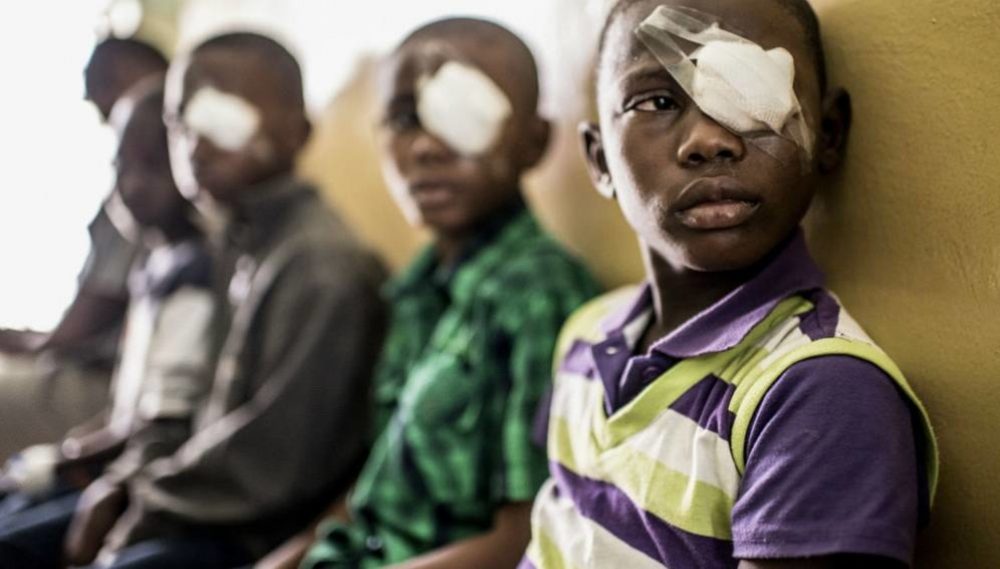
Addis Ababa, Ethiopia— Anti-inflammatory eye drops commonly considered as a follow-up treatment for trachomatous trichiasis (TT) surgery do not prevent the disease from returning and are not cost-effective, according to a large clinical trial conducted in Ethiopia.
The study, known as the Fluorometholone as Adjunctive Medical Therapy for TT Surgery (FLAME) Trial, and published by The Lancent found that Fluorometholone 0.1% eye drops offered no benefit in reducing post-surgical recurrence compared with placebo. Researchers said the findings highlight the need to prioritise surgical quality improvements in trachoma control programmes.
Trachomatous trichiasis is the advanced stage of trachoma, a bacterial eye infection that causes eyelashes to turn inward and scratch the eye, leading to pain, visual impairment and blindness if untreated. Ethiopia carries the world’s highest burden of the disease.
2,410 participants took part in the study and 3,240 eye operations were performed
The FLAME Trial was a double-blind, randomised controlled field study conducted in Ethiopia’s Jimma Zone under routine programme conditions. It involved 2,410 participants, and 3,240 who underwent eye surgeries, with a 98% follow-up rate at 12 months.
Researchers reported no reduction in postoperative trichiasis among patients who received fluorometholone eye drops, with an odds ratio of 1.00, indicating identical outcomes to placebo. While the drops were found to be safe for short-term use, they were deemed ineffective and not suitable for routine use in TT surgery programmes.
“Recurrence after surgery remains a significant challenge,” said Dr. Wondu Alemayehu, a senior ophthalmologist and co-investigator in the trial. “This end-stage disease causes severe pain and disproportionately affects women, disrupting families and livelihoods.”
Professor John Kempen of Harvard Medical School, who led the trial, said the research demonstrated Ethiopia’s growing role in shaping global health evidence. “This study shows how locally conducted research can guide international policy while directly benefiting communities,” he said.
The findings are expected to influence global trachoma elimination strategies, reinforcing the need to invest in health systems, skilled personnel and long-term surgical quality to prevent avoidable blindness.
Study Asserts Posterior Lamellar Tarsal Rotation (PLTR) Surgery Procedure More Effective
The study found lower recurrence rates among patients treated with Posterior Lamellar Tarsal Rotation (PLTR), particularly when performed by newly trained surgeons. Researchers said refresher training and surgical supervision were more effective than drug-based approaches.
The trial was funded by the U.S. National Eye Institute of the National Institutes of Health. Its findings are expected to inform national and international trachoma policies, with researchers recommending expanded PLTR training and greater investment in surgical quality improvement.
see the full article in The Lancet – Global Health – https://www.thelancet.com/journals/langlo/article/PIIS2214-109X(25)00493-0/fulltext


