By Mekonnen Teshome, Kigali
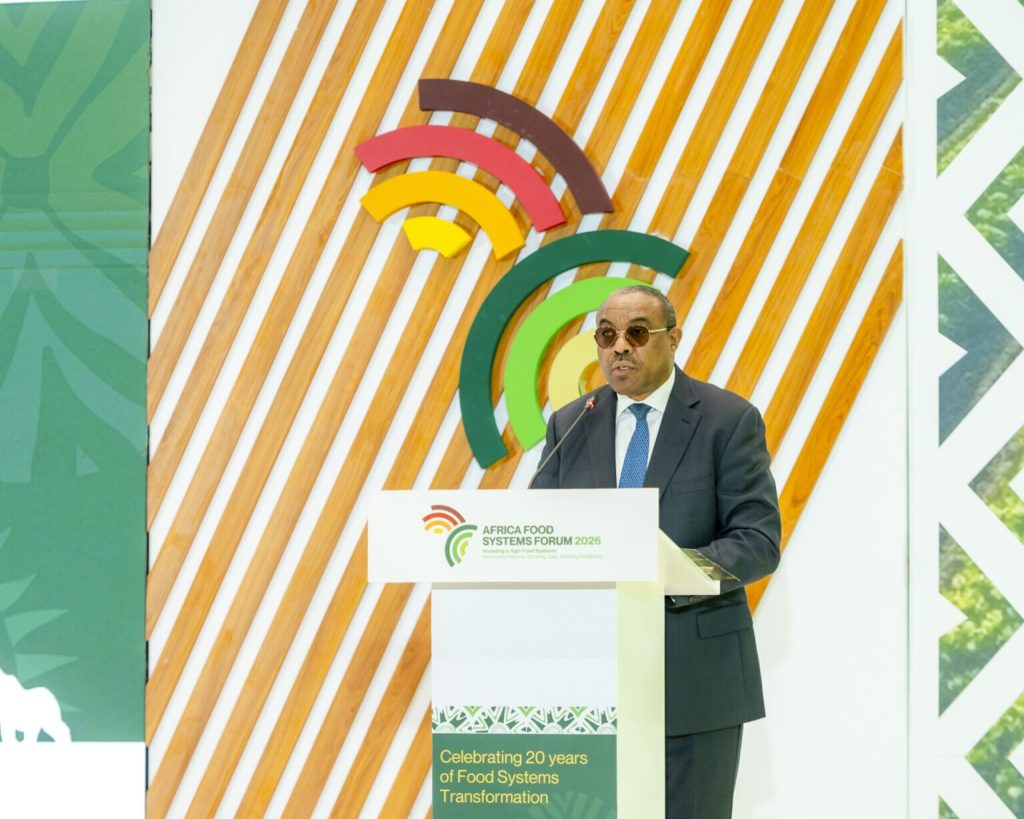
Former Prime Minister of Ethiopia and current Board Chairperson of the Alliance for a Green Revolution in Africa (AGRA), Mr. Hailemariam Dessalegn, emphasized that Africa must scale up investments in irrigation schemes to achieve its goals of healthier diets and stronger livelihoods.
Yesterday, Mr. Dessalegn was speaking at a pre-summit side event of the Africa Food Systems Forum (AFSF), taking place at the Kigali Convention Centre in Kigali, Rwanda, from September 1–4, 2026. This year’s forum is held under the theme: “Investing in Africa’s Agri-Food Systems: Nourishing Nations, Growing Jobs, Building Resilience.”
Highlighting the continent’s challenge in producing adequate, nutrient-rich food, Mr. Dessalegn noted that Africa needs to produce and consume significantly more vegetables.
He also underscored the necessity of strengthening Africa’s investments in modern irrigation development, particularly through renewable energy-powered systems.
Speaking at another side meeting, Nigeria’s Minister of Agriculture and Food Security, Sen. Abubakar Kyari, echoed these sentiments, stating that “African agriculture cannot remain at the mercy of seasons.”
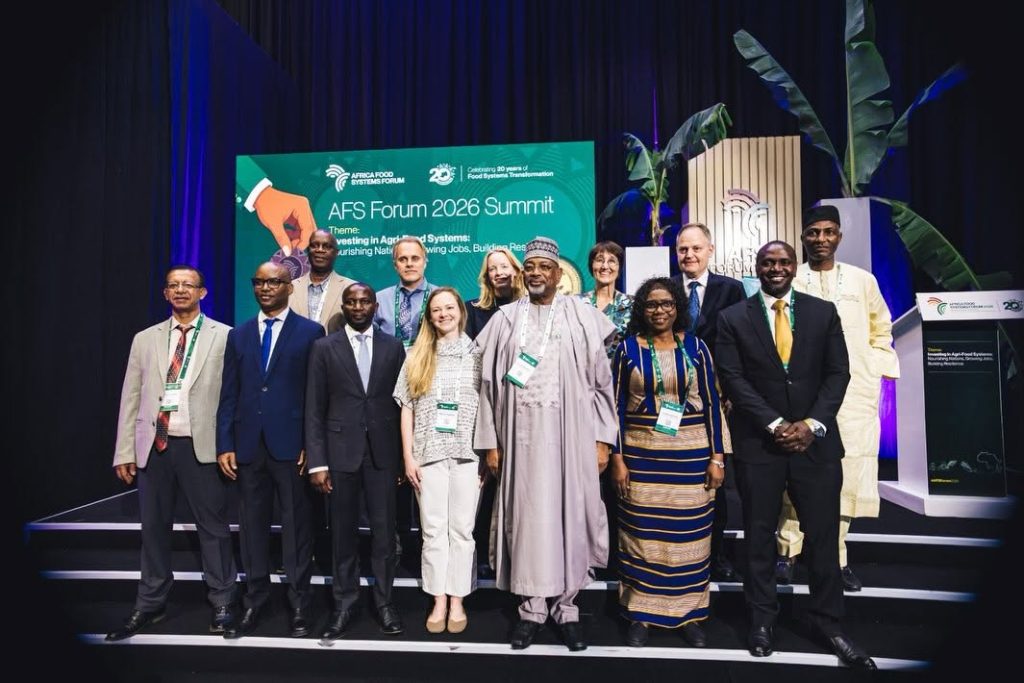
Sen. Kyari stressed that Africa is a continent of strategic abundance rather than scarcity, yet 420 million of its people live in extreme poverty despite boasting the youngest workforce on the planet.
He emphasized the urgent need for the “sustainable management and deployment of our vast water schemes,” noting that Africa holds 9 percent of the world’s freshwater potential and has barely tapped into its 3,600 GW of potential capacity.
Dr. Olufunke Cofie, African region Director of the International Water Management Institute (IWMI) added a critical perspective, stating that Africa has historically been “financing the wrong kind of irrigation.”
Dr. Cofie pointed out that nearly 90 percent of cultivated land in Sub-Saharan Africa is rain-fed, compared to 37 percent in Asia, with only about 6 percent currently irrigated. “We cannot seriously plan to feed 2.5 billion people by 2050 without securing the water needed to produce that food.”
The director added that Africa’s food systems cannot become resilient if its water systems remain fragile, leaving farmers vulnerable to unpredictable rainfall shocks. For millions of farmers, delayed rains or severe floods can instantly turn a potential harvest into debt and loss.
Around 5,000 delegates from over 50 countries are expected to attend the forum in Kigali, which features side sessions, high-level discussions, and a closing food festival.