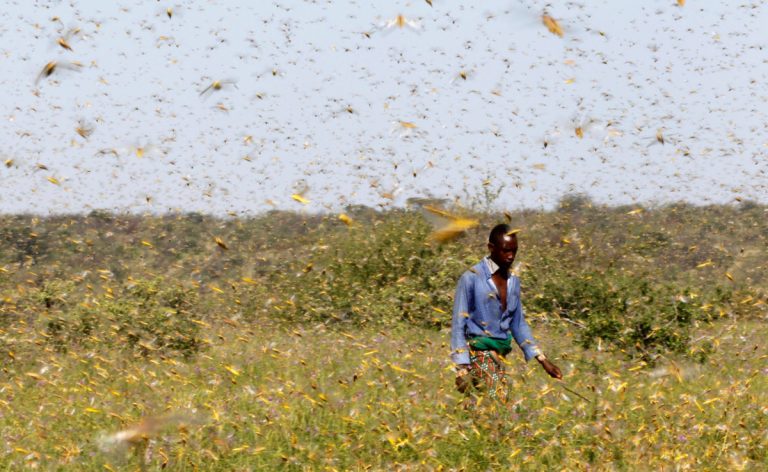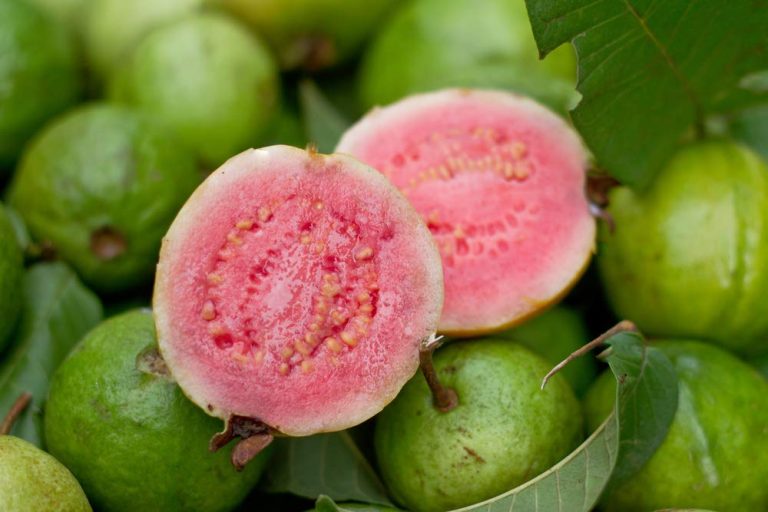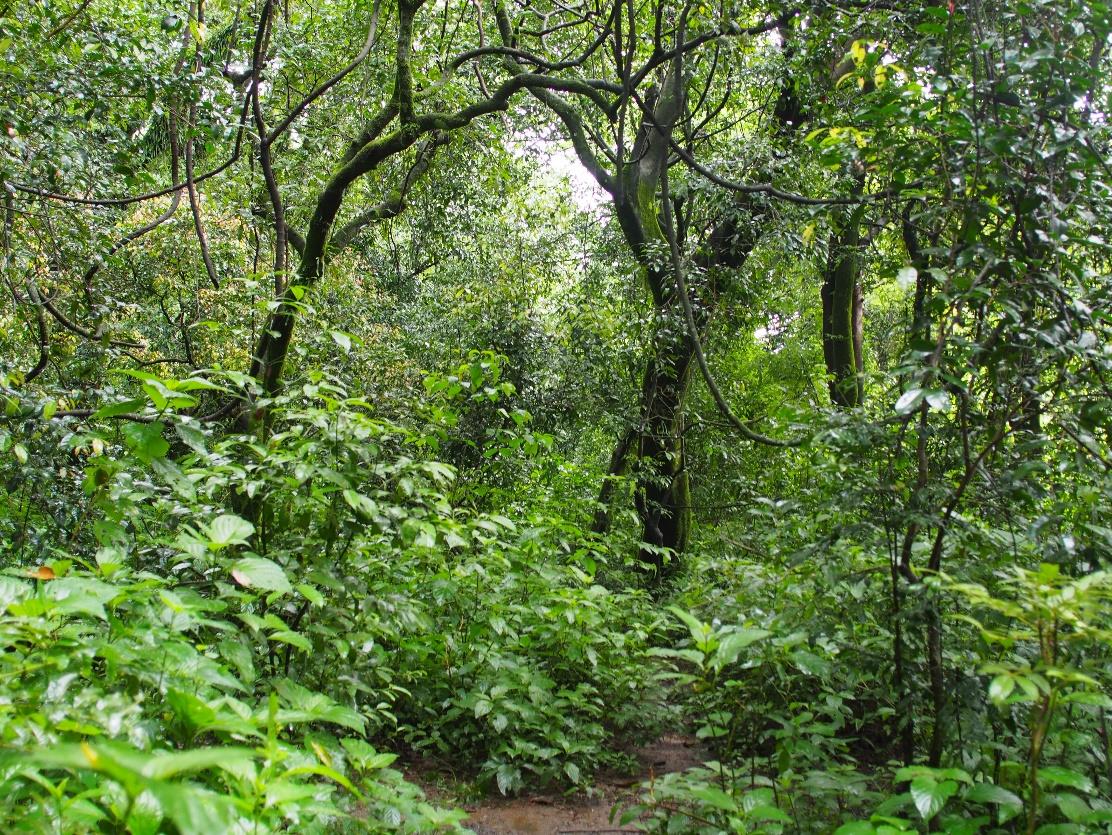
Ethiopia Is A Center For Huge Biodiversity
In spite of different descriptions by many scholars, Biodiversity can be defined as the natural world around us, and the variety of all of the different kinds of organisms – the plants, animals, insects and microorganisms that live on our planet and work together in ecosystems to maintain and support life on earth, and exist in fragile balance.
Biodiversity and Its Importance
It is crystal clear that without biodiversity, our entire support system for human, as well as animal life, would collapse. We rely on nature to provide us with food and clean water, for a lot of medicines, and to prevent flooding and other extreme weather effects. So much is provided by the natural ecosystems around us – they’re truly vital to life on earth. We think we can just trash one bit, or remove a species, and it’ll all be ok, but the different plants and animals are interconnected in vital ways that we don’t even always understand.
Globally the decades-long industrialization and economic development efforts, humans have already destroyed a lot of biodiversity, or at least pushed it to the margins. We have witnessed declines reflected in bird numbers, insect numbers, and so on. It’s really important that as well as protecting the planet’s most special hotspots for biodiversity – rainforests in the Amazon and other important biodiversity hubs.
Biodiversity Connectivity
Another important issue is that of connectivity. There’s a risk that if you just focus on protected areas, you end up with little islands of biodiversity that are very nice, but probably won’t fix the problem, as species struggle to move between them, different ecosystems cease to interact. It’s really important that you restore things at a landscape scale, so there is connectivity, and species can move around.
Many species are currently endangered worldwide
Ancient, primeval forest for example, you can plant some more trees, but you’re not going to be able to recreate that species mix and get the lichens or insects on old, rotting wood that makes a primeval forest so special.
There are also some species we have an awful lot more of than others. But that doesn’t mean we shouldn’t worry about them as well – we’ve seen species go from being very prevalent, to being extinct very quickly, because of human pressure. But there are some species where we know we have to pull out all the stops to save them because they are already in real trouble. There are a million species of plants and animals that are at risk of extinction if we don’t take certain actions.
Ethiopia Is A Center For Huge Biodiversity
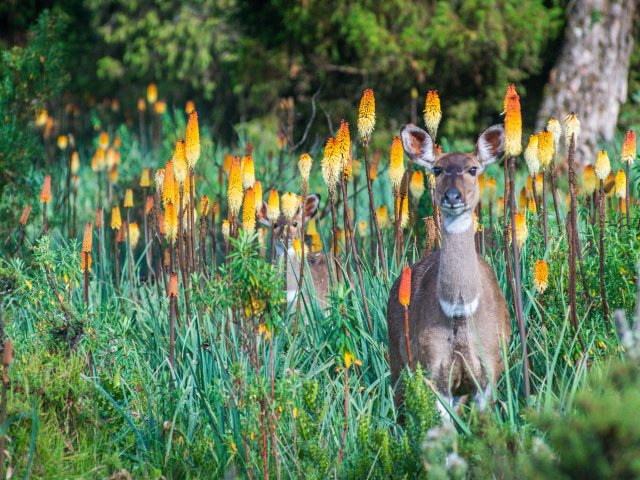
Similarly, Ethiopia is endowed with an estimated number of 6,000 species of higher plants of which 10% are endemic. According to studies, the country has 284 species of wild mammals and 861 species of birds. Data on other wild animals are scanty; and the number of reptile, fish, amphibian and arthropod species identified so far are 201, 200, 63 and 1,225, respectively. Of these faunal resources, 29 wild mammal, 18 bird, 10 reptile, 40 fish, 25 amphibian and seven arthropod species are endemic to Ethiopia.
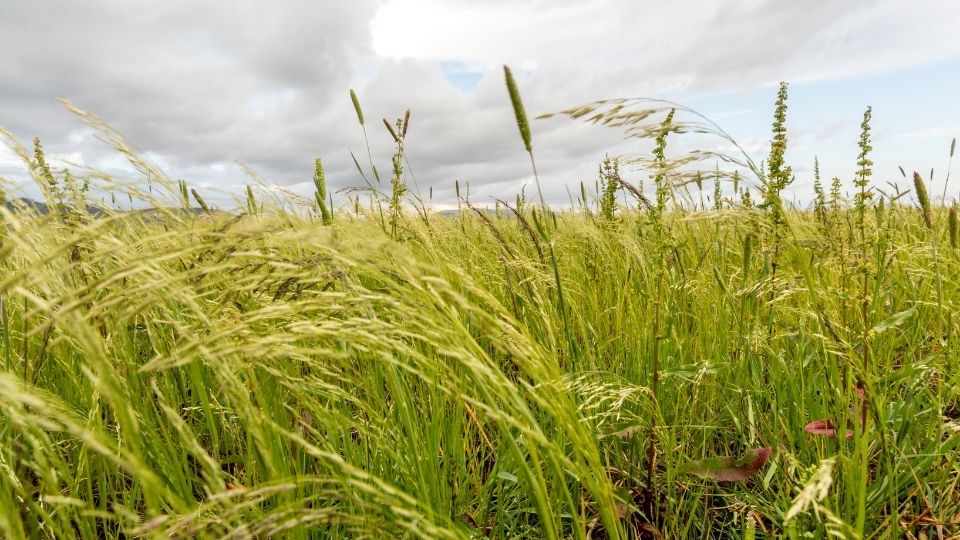
The country is also a centre of origin for cultivated crops such as coffee, teff, enset, and a home of diversity for many crop species such as durum wheat, barley and sorghum.
Moreover, the country has a rich resource of indigenous farm animals comprised of 28 cattle, 9 sheep, 8 goat, 7 camel, 6 donkey, 8 horse, 2 mule and 7 chicken breeds. As the dominant economic sector, agriculture provides employment for about 83% of the population. It contributes 90% to the country’s export value and 45% to the GDP.
In Ethiopia, forests also play vital roles in ensuring food security and sustainable livelihoods for millions of households throughout Ethiopia.
Several wild plants and animals, including endemic species and farmers’ varieties and indigenous animal breeds, are declining. In consequence, 103 tree and shrub species, 31 bird, one reptile, nine amphibian, two fish and 14 other invertebrate species are threatened.
But, as a result of the vigorous implementation of activities related to the conservation and sustainable utilization of resources, significant improvements in the status of some biodiversity resources have been achieved. Rehabilitation and restoration of degraded areas, afforestation and practices of sustainable management of natural resources have, for example, resulted in increased forest cover and enhancement of the associated biodiversity.
The main direct threats to Ethiopia’s biodiversity are habitat conversion, unsustainable utilization of biodiversity resources, invasive species, replacement of local varieties and breeds, climate change and pollution. Indirect causes of biodiversity loss in the country are demographic change, poverty, and lack of awareness and coordination.
Ethiopia has shown substantial progress
Of the country’s 10 ecosystems, the Afroalpine and Subafroalpine Ecosystem is particularly negatively affected by activities related to habitat conversion. The unsustainable use of resources threatens Ethiopia’s 9 other ecosystems, while invasive species threaten the Acacia-Commiphora Woodland Ecosystem, Desert and Semi-desert Scrubland Ecosystem and Aquatic Ecosystem in particular. Pollution also poses a threat to the Aquatic Ecosystem, as well as to the Wetland Ecosystem, while climate change also threatens the Desert and Semi-desert Scrubland Ecosystem.
Establishment and re-demarcation of protected areas, control of invasive species, rehabilitation and restoration of degraded areas, sustainable biodiversity management, awareness raising, ex situ and in situ conservation, equitable sharing of benefits accrued from the use of accessed genetic resources and changes/rearrangements in legal and institutional set-ups are the major activities so far carried out in Ethiopia to protect biodiversity. Ethiopia has shown substantial progress in the implementation of the Strategic Plan 2011-2020.
The Government has devised a Climate Resilient Green Economy (CRGE) Strategy to build a climate resilient green economy. The development of a green economy will be based on four pillars, namely: agriculture, forestry, power and transport, including industrial sectors and buildings. As part of the CRGE Strategy, REDD+ is a policy incentive aimed at promoting forest and biodiversity conservation and enhancing carbon stocks.
Measures Taken In Ethiopia To Protect Biodiversity
Land use certification and guidelines, legislations and regulations on regional forest development and use, policy, regulation and strategies on forest development and conservation were prepared/devised and implemented within the past few years that contribute to the sustainable use of the country’s biodiversity.
Domestic legislation has been put in place to facilitate access to the country’s genetic resources and ensure fair and equitable benefit-sharing. Furthermore, the country acceded to the Nagoya Protocol in 2014 and has also developed a Code of Conduct to administer ABS issues. The recently signed agreement between the Ethiopian Biodiversity Institute (EBI) and a private USA-based company on access and benefit sharing from the use of Dichrostachys cinerea, Osyris quadripartitum and Withania somnifera species, for the purpose of producing essential oils, cosmetics and herbal medicine, is a notable example of this. From the agreement, Ethiopia earned an upfront payment and the agreement stipulates that the benefits accrued from the access of the above genetic resources will be shared equitably between the company and the local communities/the government of Ethiopia. The benefits are incentives to the local communities/government to conserve and sustainably utilize biodiversity.