During the early days of the coronavirus pandemic in Nairobi, Kenya, something improbable happened: a mountain appeared. To curb the transmission of the virus, authorities called on the city’s thousands of private bus operators to cease trading. “Within three days, the air completely cleared,” recalls entrepreneur Jit Bhattacharya. “You could see Mount Kenya … crystal clear,” some 90 miles away.
Bhattacharya also saw an opportunity. Kenya produces 90% of its electricity from renewable sources – mostly geothermal and hydropower – and has surplus grid capacity, yet it imports nearly all its petroleum fuels. What if clean energy could be channeled into the transport sector? Maybe it could help the city clean up its act. Maybe Mount Kenya could become a permanent feature for Nairobi once more.
The Kenyan capital is home to over five million people, and matatus, privately owned minibuses and shared taxis, “are critical to the way people in Nairobi get around,” explains Christopher Kost, Africa program director at the Institute for Transportation and Development Policy. “In the city, we have 40% of trips on public transport.”
“The challenge that we’re facing now is that these matatus are stuck in traffic,” he adds. “People face delays, the service is not always reliable. Those are issues that we need to correct.”
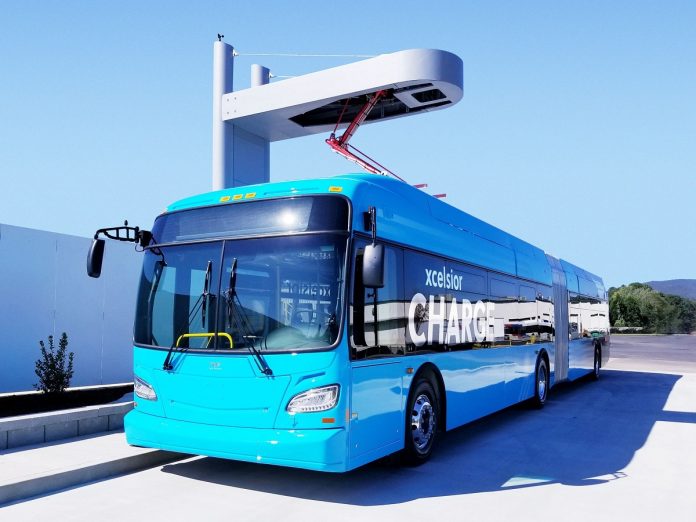
Electric buses could help solve the problem. Today Bhattacharya is the CEO and co-founder of BasiGo, a mobility startup racing to electrify the city’s buses. The company is not alone. Swedish-Kenyan electric vehicle manufacturer Roam also has its eyes set on Nairobi’s mass transport sector. Both are rolling out fleets of buses this year that could mark the start of a new chapter for city’s famous matatu culture.
1. Lower Emissions
The next significant benefit of EVs is the environment. While the jury is still out on how much better for the environment electric vehicles are than their fossil fuel-powered counterparts, there’s little doubt that they’re better.
EVs use electricity instead of gas or diesel fuel. Emissions from burning fossil fuels gravely contribute to air pollution and climate change, and this pollution harms human health, too. They don’t add anything to already-polluted air since they aren’t burning fossil fuels in their use.
There may be debate about how much less bad EVs are than traditional cars concerning their total environmental footprint. But when it comes to local impacts on humans’ health, EV technology can directly help make our cities cleaner and healthier.
2. Cost Effective
While the initial cost of an electric vehicle may seem daunting, we can’t ignore its long-term savings. For one, electricity is cheaper than petrol.
Although there are no EV charging stations in Kenya yet, charging at home can cost much less than filling your gas tank at the pump. Plus, electric vehicles have lower maintenance costs, fewer moving parts, and a longer lifespan.
This means that their maintenance costs are far less than those of their petrol counterparts by 30%.
3. High Mileage
While the mileage of electric cars will ultimately depend on how a driver uses them, the latest models average over 300 kilometers per charge. This is more than enough to drive around Nairobi and back, and it’s more than twice as far as most drivers travel each day.
Kenya’s drivers could quickly get to work and back without recharging their vehicles with that kind of distance.
4. Smooth Driving
Electric vehicles have a distinct advantage over those with internal combustion engines since they offer smooth driving. Because there are no pistons and cylinders in the electric motor, as in an ICE vehicle, it produces maximum torque. The amount of torque you can use instantly, immediately upon acceleration.
Remember, an ICE vehicle takes time to build up torque. Electric cars also produce nearly zero noise and vibration, and you can drive more smoothly and with greater ease.
Electric vehicles don’t need gear shifts or a clutch pedal like an ICE vehicle does when the driver needs to change gears at higher speeds. This makes for easier driving for drivers who drive manual transmissions and those who prefer automatics.
The absence of heat from an electric motor is another big plus for EVs. It ensures your motoring experience is comfortable even when the ambient temperature rises quickly on hot days or in congested traffic jam situations.
5. Electric Vehicles Are the Future
EVs are an excellent choice for personal transport. While they can be somewhat expensive to purchase at first, they’re cheap to maintain and operate than gas-fueled vehicles.
They require less maintenance because:
- They have fewer moving parts
- There’s no oil to change
- No spark plugs or starter motors to replace
- Brake pads last longer because the regenerative braking system captures kinetic energy from the wheels when slowing down, which then recharges the vehicle’s battery
There’s also no need for a yearly emissions inspection, and insurance tends to be lower or even non-existent in some places with certain insurance providers.
When it comes time to refuel your EV, you’ll forget about pumping gas. Just plug it in at home overnight and get ready for tomorrow’s commute with a full charge.
6. Fuel Security
Fuel security is a significant concern for any country. No one wants to be dependent on other countries for their fuel. But when fossil fuels are used, this is what happens. Countries that rely on oil imports are at the mercy of the volatile global oil market. And if prices go up due to supply constraints, it can have a huge impact on a country’s economy.
Electric vehicles require electricity from a power grid, not liquid fuel from an oil well. Kenya will no longer rely on external liquid fuel supplies by switching from imported oil to domestic electricity sources. It will have greater control over its energy supply and can avoid the economic risks associated with importing large quantities of liquid fuels.
7. Economic Opportunities
Adopting electric vehicles on a larger scale could bring many economic benefits to Kenya. The EV and battery manufacturers are different from traditional car components manufacturers. These newer industry leaders can bring economic benefits to the country and greater energy security for Africa.
Another positive impact would be felt within the charging infrastructure industry. Electric cars would require much more robust charging station networks than gas-powered vehicles do. This technology could be produced locally, tapping into a new potential source of jobs and profit-sharing in Kenya.
In addition, the increased adoption of electric cars will likely mean an increase in renewable energy sources. For example, solar panels or wind turbines could mean further job creation and wealth generation.