Ethiopia ’s economy will grow by 7.5% this year, Minister says
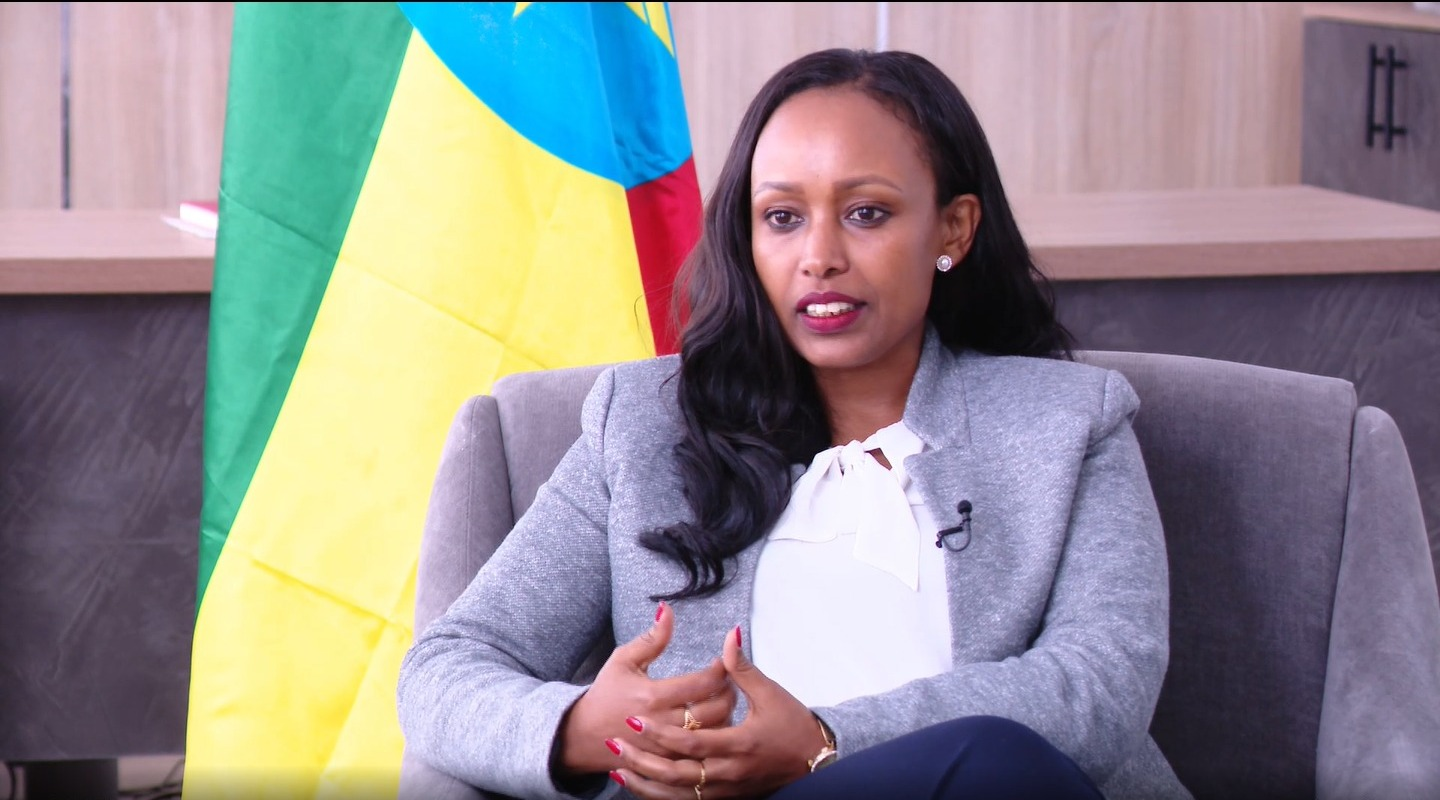
Ethiopia’s economy will grow by 7.5 percent in the current Ethiopian fiscal year , Planning and Development Minister Fitsum Aseffa (Ph.D.) says.
This was disclosed during the Minister’s discussion held with the members of the U.S Chamber of Commerce where she indicated that 3.31 billion USD was earned from Foreign Direct Investment (FDI) this year.
The Minister was briefing the U.S Chamber of Commerce members on the “Homegrown Economic Reform” (Phase I) as well as the development of its Phase II and the economic performances of the country.
Fitsum who underscores that Ethiopia is the largest recipient of foreign direct investment in East Africa, said that the impact of Covid-19, conflicts in northern Ethiopia, the Ukraine-Russia war, disasters caused by climate, floods, drought and desert locusts are challenges that have challenged the economy and the entire country.
The Minister said that despite these challenges, Ethiopia’s economy continues to achieve encouraging annual growth and to get rid of the shackles of the country’s economy, implementing the homegrown economic reforms was one of the effective actions.
According to the Minister, in recent times some eleven policies and proclamations have been amended and revised, including the Commercial Law, Commercial Registration and Commercial Licensing, Proclamation of Security of Movable Property, and VAT Reform, she reminded.
Giving explanation of the content and preparation of the second Homegrown Economic Reform, Fitsum underlined that the economic reform has four main pillars which will help to develop the country’s economy.
Tangible reforms have also been brought about by the reform in various sectors, especially in business convenience, tax system, energy supply and mining, tourism, ICT, agriculture and manufacturing as well as other fields, the Minister added.
Fitsum also said that creating macroeconomic stability, creating a favorable business and investment environment, increasing the productivity of key sectors, and building a capable and efficient civil service are given great emphasis in the reform.
In contrast, the Economic Out Look of the African Development Bank (AfDB) /2023/ shows that Ethiopia’s GDP is projected to grow 5.8% in 2023 and 6.2% in 2024, driven by industry, private consumption, and investment.
The report states: “The peace dividend, rebounding tourism, and prospect of liberalizing more sectors are expected to boost the growth outlook. Inflation is projected to decline to 28.1% in 2023 and 20.1% in 2024, following the peace dividend.”
The fiscal deficit is projected to grow to 3.1% in 2023 and 2.5% in 2024 due to the expected increase in government revenue driven by domestic resource mobilization improvements, implementation of the fiscal consolidation strategy, and resumption of donor inflows, it indicated.
According to the Bank, the current account deficit is expected to narrow to 3.7% of GDP during 2023–24 as merchandise and service exports and foreign direct investment rise and imports of capital inputs continue to decline. Headwinds include interethnic conflicts in different parts of the country, drought, debt vulnerabilities, and the impact of Russia’s invasion of Ukraine.