Addis Ababa (April 6,2024): Cancer has caused the death of 55, 000 Ethiopians from nearly 80 000 diagnosed with the health menace in 2022, the International Atomic Energy Agency (IAEA) disclosed.
The agency which indicated that the health burden in Ethiopia is significant, said that these numbers are expected to more than double in the next two decades.
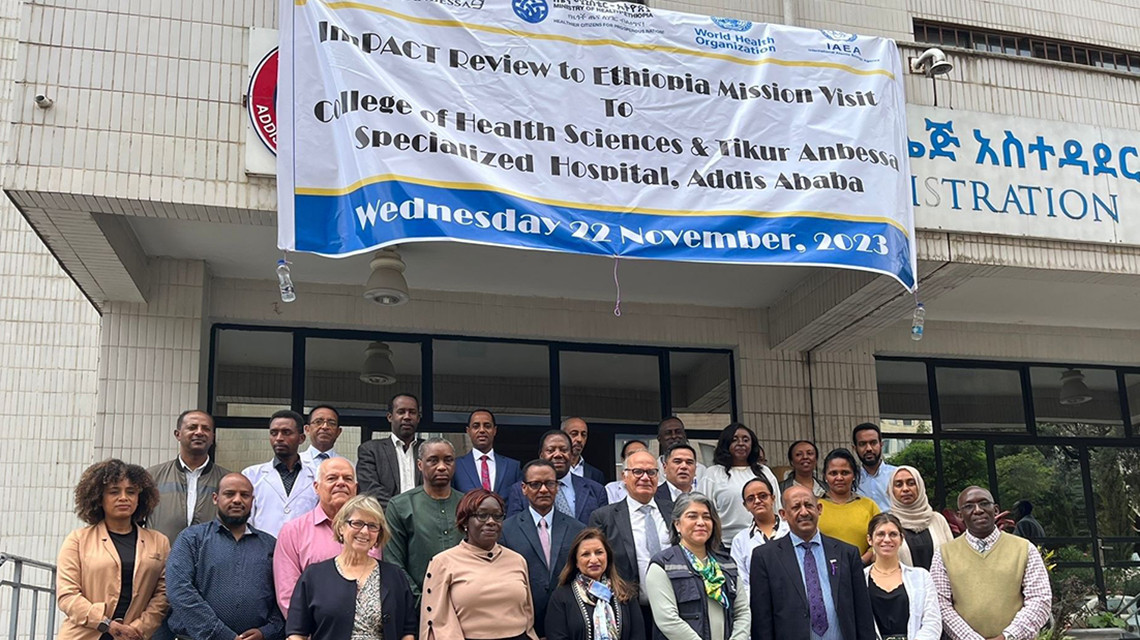
IAEA stated this in connection with a recent visit of international cancer experts to Ethiopia. The experts drawn from the IAEA, the World Health Organization (WHO) and the International Agency for Research on Cancer (IARC) conducted an imPACT Review in Ethiopia last November, it said.
According to the statement, the review mission aimed at contributing to the renewal of the National Cancer Control Plan — including in childhood — and support the Ministry of Health in expanding regional access to radiation medicine services.
Long way to go to curb challenges of cancer
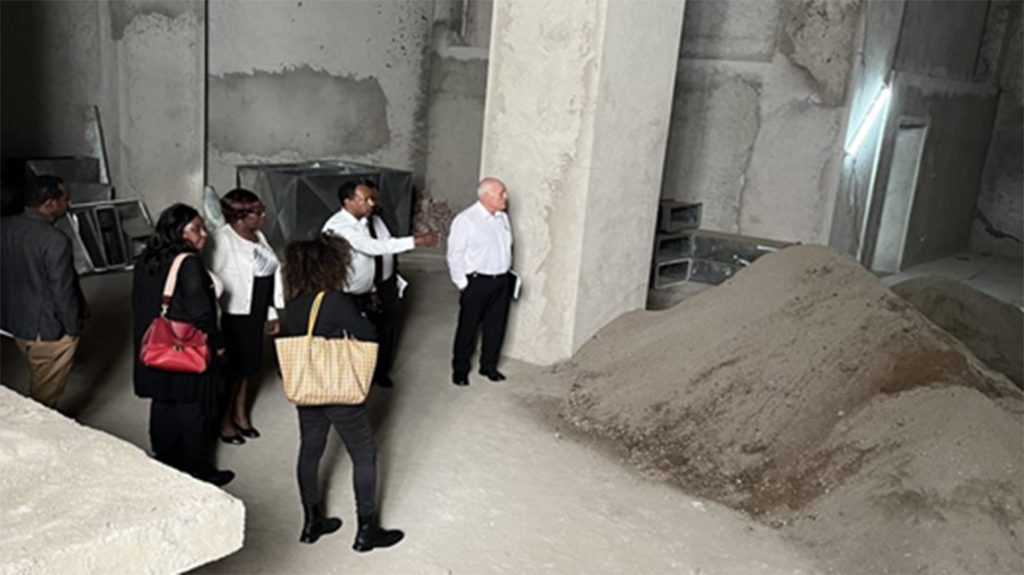
“The government of Ethiopia is working hard to address this situation, with five additional radiotherapy centres already under construction around the country (Addis Ababa, Gondar, Hawassa, Harar and Mekele).”
One of these — a comprehensive oncology centre to be integrated into the St Paul Millennium Medical College’s Hospital in Addis Ababa — is being built through a public-private partnership, the first of its kind in giving care in Ethiopia.
There are also plans underway to open nine satellite clinics focused specifically on children with cancer — estimated to represent approximately 5-7 per cent of all cases in the country.
These centres will be staffed by general paediatricians and nurses who have received additional, targeted training in paediatric oncology.
Their opening is expected to significantly boost the country’s capacity to recognize early signs of disease in children and refer them for further care, thereby helping reduce the current high rates of treatment abandonment (20-50 per cent), and the fact that 75 per cent of the children who seek medical assistance at one of the existing paediatric care units in the country are already at an advanced stage of the disease.
Waiting times are long (sometimes more than a year), and most patients only seek medical help when their sickness is already advanced, reducing their chances of survival. This situation is further compounded by a lack of functioning radiotherapy facilities in neighbouring countries.
All cancer patients require access to diagnostic imaging to inform their course of treatment, and approximately 50 per cent need access to radiation therapy — currently only possible at three public hospitals in the country.
Brighter Future In Fighting Cancer
“The needs of the African continent to increase access to patients care, diagnostic imaging and radiotherapy remain high,” said Shaukat Abdulrazak, Director of the Division for Africa at the IAEA’s Technical Cooperation Department.
“For this reason, we were impressed by the many signs of progress observed in Ethiopia during the course of the imPACT Review mission,” he added.
Ethiopia is one of the 13 African countries that will receive additional support from the IAEA under the second wave of the Rays of Hope initiative, for increased access to radiotherapy services — including training, upgrading and procuring additional equipment.
Ethiopia has also been flagged by the WHO as a CureAll Priority focus country – a framework for action used by the WHO to inform, prioritize interventions and monitor results in the battle against childhood cancer.
“The recent Ethiopia imPACT Review provided the opportunity to align with the WHO Global Initiative for Childhood Cancer objective of prioritizing childhood patients in the national agenda,” said the WHO’s Roberta Ortiz. The WHO will continue to work closely with St. Jude Children’s Research Hospital, through their Global Alliance, and The Aslan Project to improve survival for children with the health problem.
During the mission, the imPACT Review team visited a number of other organizations active on the ground in Ethiopia in order to fully assess national care capacity and needs.
Two such organizations – the Tesfa Addis Parents Childhood Cancer Organization (TAPCCO) and Mathiwos Wondu YeEthiopian Cancer Society (MWECS) – provide logistical support to the families of children with cancer. For example: this includes accommodation during hospital treatments, food, medicine, and help covering transportation costs.
They also help patients with the direct costs of their cancer treatment by covering out-of-pocket expenditures for pathology analyses and chemotherapy medicines when they are not available in public hospitals.
During the review, the team noted the efforts in place for retinoblastoma early detection and awareness through a partnership of the Ethiopian Government with the Alliance Mondiale Contre le Cancer. Though this early childhood cancer of the eye is rare, survival rates are high when it is caught early.
Together, these steps demonstrate a firm commitment on behalf of the Ethiopian government to address the burden of cancer in the country, expanding access to cancer care for all.