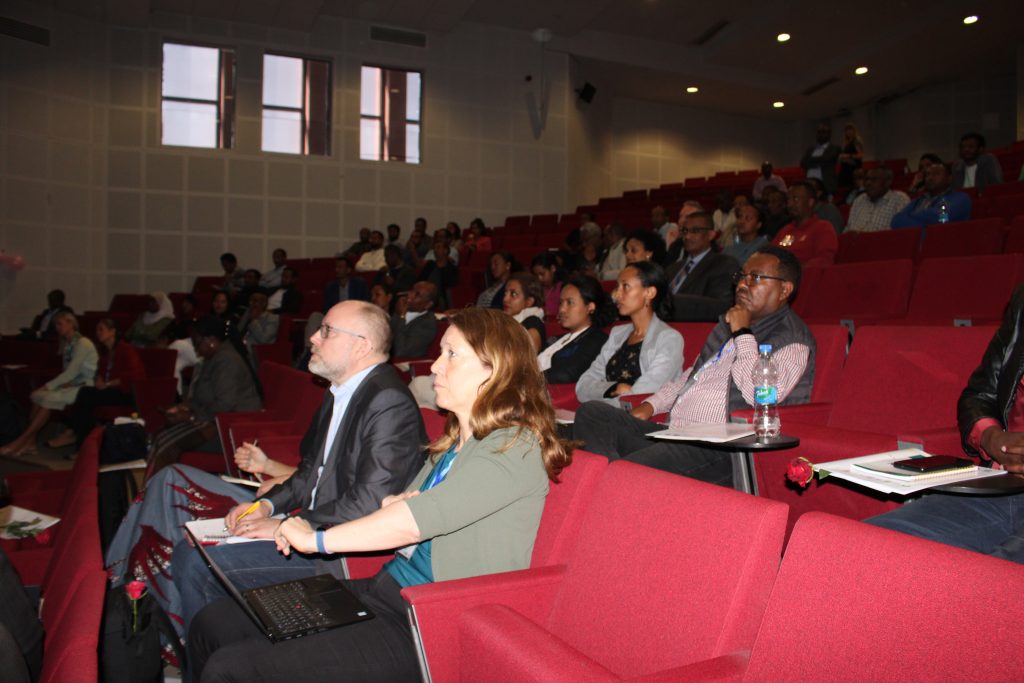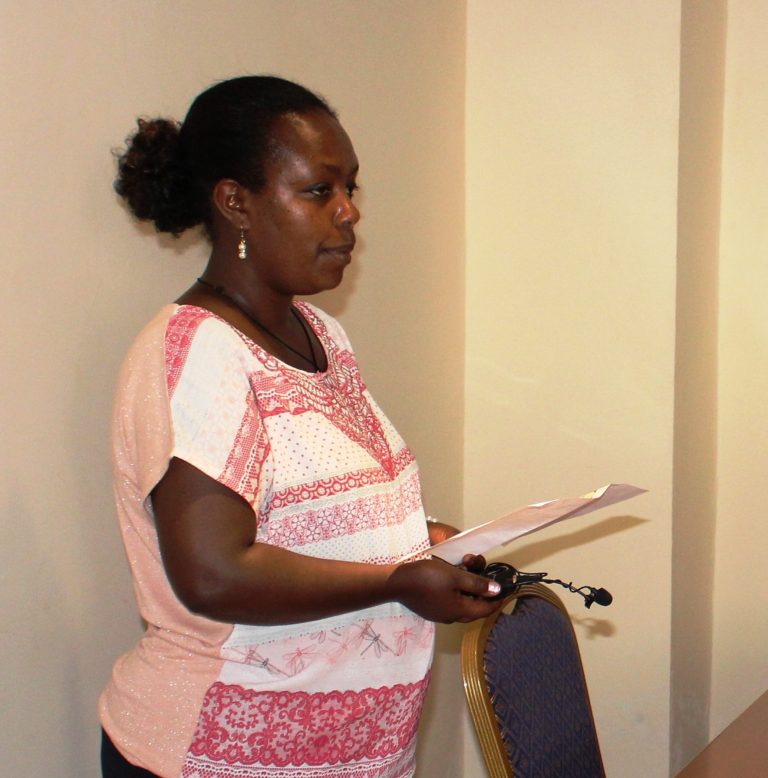



Addis Ababa (February 6, 2024): A new Horizon Europe Supported health project meant for risk reduction on Non-Communicable Diseases (NCD s) among Ethiopian women and their children launched here in Addis.
The four-year program dubbed “ENABLE” (Enabling Environments for NCD Risk Reduction In Ethiopia) and aimed at preventing non-communicable diseases through promoting positive behavioral change among pregnant women and their children was announced this morning in Addis Ababa at the premises of the Ethiopian Public Health Institute (EPHI).
NCDs Related To Pregnancy and Delivery Are Prevalent
A study done by the Jimma University in 2022 corroborates another research that 10.3% of pregnant mothers were affected by Cardiovascular Diseases and a relatively high proportion of Rheumatic Heart Disease was seen among the pregnant mothers. Medical evidences show that the most common non-communicable diseases the affect pregnancy include – cardiovascular disease, hypertension, diabetes, cancer, mental health disorders, thyroid disease, and multiple sclerosis.
In his key note address at the kick-off program ,EPHI Deputy Director General Dr. Getachew Tollera indicated that the newly launched “ENABLE” program would facilitate a level playing field for prevention and promoting healthy nutrition and physical exercise as well as protecting the target groups from exposures to pollution and toxic environment.
According to Dr. Getachew, the project will also create an enabling environment for the reduction of NCD risk factors especially in children under five, pregnant and lactating women.
The Deputy Director General said that as one of the major roles of the Ethiopian Public Health Institute is to undertake researches on health challenges related to NCD and to inform policy, the institute is determined to assemble all the evidences to be generated in the process of the project implementation for future actions.

Dr Masresha Tessema, EPHI’s Food and Nutrition Research Director and a Principal Investigator (PI) of this particular project underscores “ The programme is expected to result in multiple positive impacts including in improving the health of pregnant women and children, building the capacity of health workers, improving the health systems in the target locations as well as fostering collaboration and partnerships across national and global actors.”
The Director pointed out that the project is implemented aligning with Ethiopia’s NCD prevention strategy and follows evidence-based approaches to generate the necessary data and evidences for effective interventions in the time to come.
He also said that the project is a pioneering one in the African context, and urged all stakeholders to join hands in the process as it calls knowledge and experience gathering exercises so as to benefit also other African nations out of its implementation.

Principal Investigator (PI) of the project and a researcher from the Norwegian Institute of Public Health (NIPH), Dr. Eleni Papadopoulou on her part said that the core objective of the project is to enhance the knowledge and awareness of participants, to develop capacities and skills of health workers at all levels of health systems as well as to promote positive behavioral changes among pregnant women and their babies.
As to Dr.Eleni, the project also aims at ensuring that public policy decisions are evidence-based and context-specific as they are going to compile new sets of data and experiences during the four-year implementation.
Africa CDC Keen To Replicate the NCD Risk Reduction Project Experiences
Non-communicable Diseases and Mental Health Expert at the Africa Centres for Disease Control and Prevention (Africa CDC) Dr. Adelard Kakunze at the occasion said that Africa CDC is keen to work together with EPHI and NIPH and to use and replicate the good experiences and the evidences to be gathered in this particular project for the benefit of other African countries.

Dr. Kakunze stated that the approached developed by “ENABLE” project to improve the health of pregnant women and children are wonderful and urged the two public health institutions to apply similar approaches to other health programmes.
Moreover, he emphasized the need for digitization of health systems and projects like this as its is instrumental to make it evidence-based and to use the data and evidences collected in the realization of the projects.
Horizon Europe funds the four-year ENABLE project, 2023-2027, to reduce NCD risks among the target groups in urban environments specifically in the cities the project is being implemented : Addis Ababa, Adama, Harar, and Jimma.