By Mekonnen Teshome (M.A. In Teaching English As A Foreign Language)

In one of my English Language Teaching (ELT) courses, I recall that one of our instructors, the then Dr. Wodwosen Tamirat (the current President/ Professor and founder of St. Mary University), left a strong memory of “First Language Acquisition In Children” or “the innatist theory of language acquisition” in our minds.
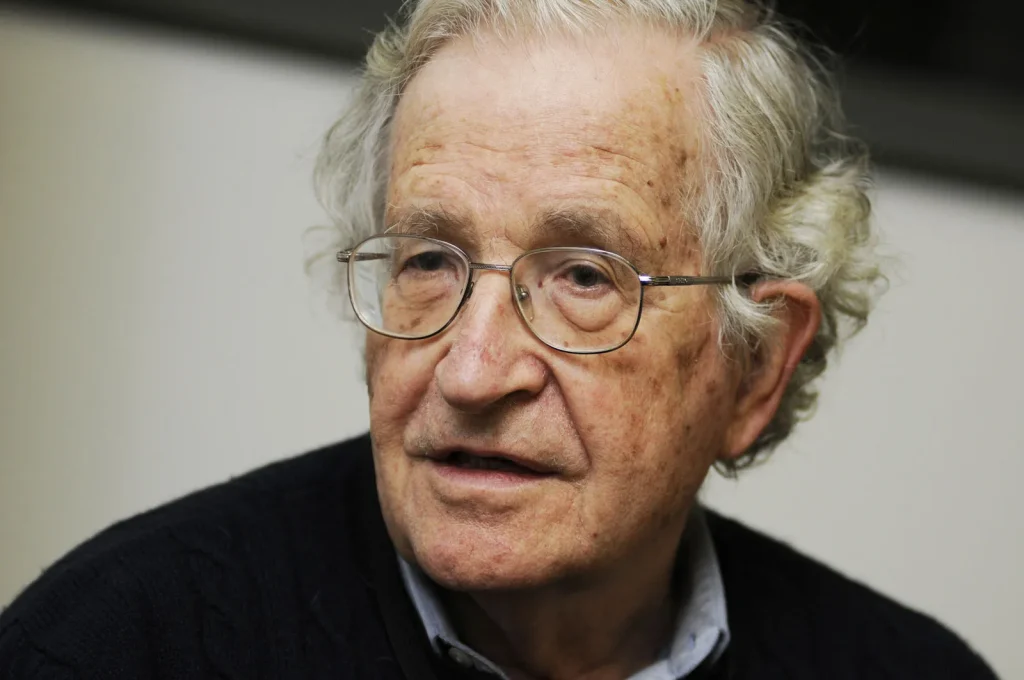
As we were ambitiously pursuing our education in ELT, Dr. Wondwosen shed a light on the thinking of the famous psycholinguist and theoretician of early language teaching – the American Professor Noam Chomsky and his iconic philosophy of language learning and acquisition in children.
The Innate Ability of First Language Acquisition
According to Professor Chomsky, who is a living legend in early childhood language acquisition, political activism, and social criticism, children have an inborn faculty of language acquisition, a concept known as “the language acquisition device”.
He argues that “humans are born with an innate ability to learn language, rather than acquiring it solely through environmental input”
On the other hand, the Constructivist Theory of Language Learning ” highlights the role of social and cognitive factors in language development.
Constructivist Theory of Language Learning
Professor Wondwoson also gave us a highlight on the role of the Swiss psychologist Jean Piaget who first introduced the “Constructivist Theory” of Early Childhood first language acquisition, which he said, later developed by the Soviet psychologist Lev Vygotsky.
The “Constructivist Theory” of first language learning is all about the making of first language knowledge through social interaction and real-world circumstances where the role of family, especially mothers comes at the forefront.
Language acquisition Vs Language learning
Language acquisition is a subconscious, natural process of absorbing a language through immersion and meaningful communication, like how a child learns their first language; on the other hand language learning is a conscious, deliberate process of studying grammar, vocabulary, and sentence structure, often in a classroom setting.
Mothers are the First Language Teachers
Many scholars are for the argument that mothers have a critical role in the first language acquisition of a child. Maternal sensitivity clearly facilitates child language development and is important if only because language skills that develop early in life have implications for later language and literacy development Walker et al., 1994.
As to Universal Classes, language develops through children’s interactions with other people around them. For example, a baby hears his or her mother talk directly to him or her, as well as to other people. Hearing the mother’s speech may encourage a baby to try to imitate the sounds that he or she hears over time.
The baby will quickly learn which words are connected to certain objects or people, and which words may produce particular responses from others, it says.
Language and literacy development are major domains of early childhood development. In contrast, Pediatric clinicians relates the ability to language acquisition with children’s motor skills and parent education and public programs that increase children’s exposure to child-directed speech.