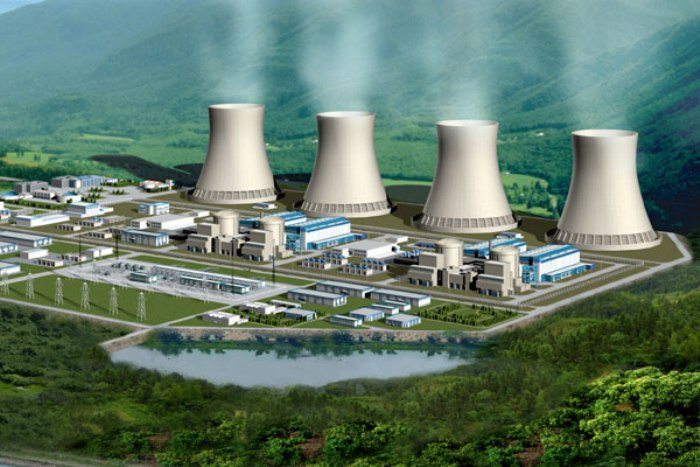
Addis Ababa (May 8, 2024): Ethiopia is making preparations to build a Nuclear Science and Technology Research Center in the coming few years, according to the Ministry of Innovation and Technology (MiNT).
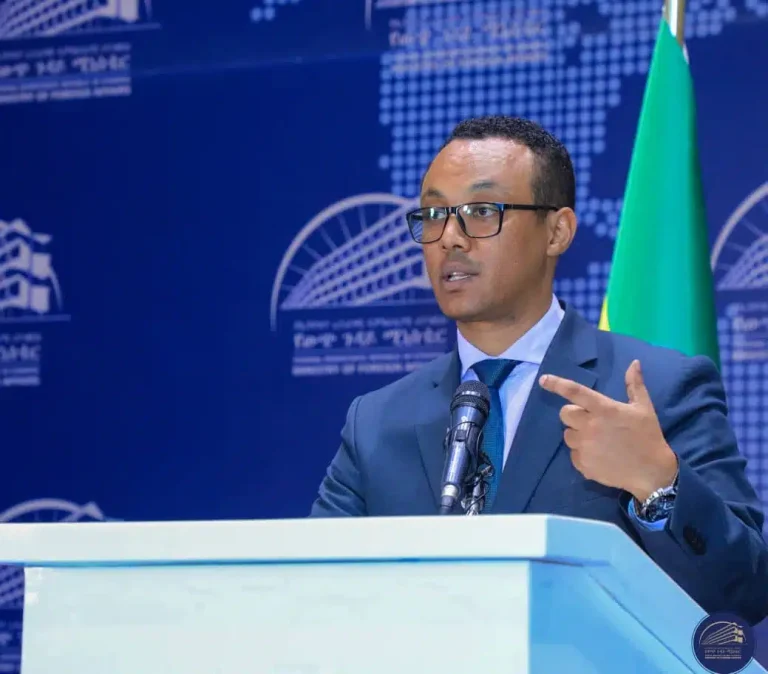
Ethiopia’s Innovation and Technology Minister Dr. Belete Mola, announced this while presenting his Ministry’s report yesterday to the 25th regular session of the House of Peoples’ Representatives (HoPR) of the country.
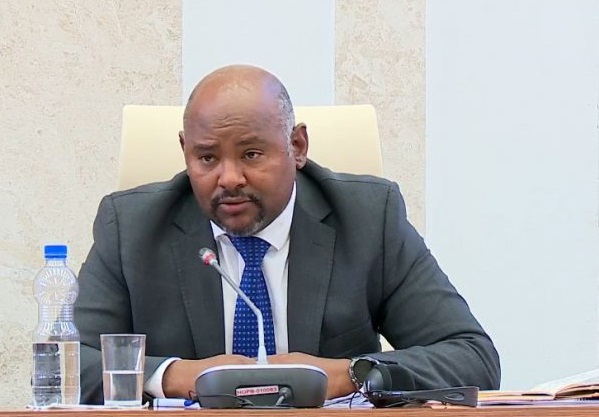
Capacity Building For Nuclear Science and Technology
Belete revealed plans to establish a nuclear science and technology research center in the country, with students being sent to China and Russia for advanced studies in this field. He said that significant developments are being made in Ethiopia’s technological landscape and indicated that discussions are underway with Russia’s State Atomic Energy Corporation (ROSATOM) regarding the center’s construction following the completion of a feasibility study.
Moreover, Belete highlighted efforts to enhance innovation and technology within Ethiopia. The Ministry of Innovation and Technology (MInT) has been actively working to reduce the negative impacts of technologies and has issued licenses for over 2,000 technology materials.
Additionally, MInT is supporting research activities aimed at addressing societal challenges and benefiting the community.
He also addressed challenges faced by the sector, including the lack of necessary proclamations and regulations and difficulties in obtaining foreign currency for technology purchases. The Minister stressed the importance of ensuring that all research outcomes meet stringent safety standards before implementation.
Furthermore, Belete emphasized the need to bridge gaps between urban and rural areas, men and women, as well as regions and city administrations in the digital strategy implementation.
In response to these imperatives, the Standing Committee on Human Resource Development, Employment, and Technology Affairs of HoPR suggested establishing centers in each region to provide accessibility and support to young individuals with creative ideas, turning them into national resources.
It is noted that these initiatives aim to propel Ethiopia towards a more innovative and technologically advanced future.
A roadmap for cooperation in peaceful use of nuclear energy
It is t be recalled that last year, 2023, Rosatom and the Ethiopian Ministry of Innovation and Technology signed a roadmap for cooperation in the peaceful use of nuclear energy, a TASS correspondent reported from the Russia-Africa summit.
The document was signed by the head of Rosatom, Alexei Likhachev, and the Minister of Innovation and Technology of Ethiopia, Molla Bellete.
During the signing of a roadmap for cooperation in the peaceful use of the energy, the press service of the state corporation said: “The roadmap defines the specific steps the parties will take in 2023-2025 to explore the possibilities of building nuclear power plant of large or small power capacity, as well as a Center for Nuclear Science and Technology in Ethiopia.”
“The two parties plan to join forces to develop Ethiopia’s national nuclear infrastructure, organize technical tours and seminars, and hold meetings of specialized working groups”
The second Russia-Africa Summit, along with an economic and humanitarian forum, is taking place in the Russian city of St. Petersburg on July 27-28. Similar to the first such event in 2019, the summit is being held under the rubric “For Peace, Security and Development.” The event is being organized by the Roscongress Foundation.
TASS, which is the official information partner and photo-hosting agency of the summit and forum, is also hosting the second Russia-Africa Media Forum.
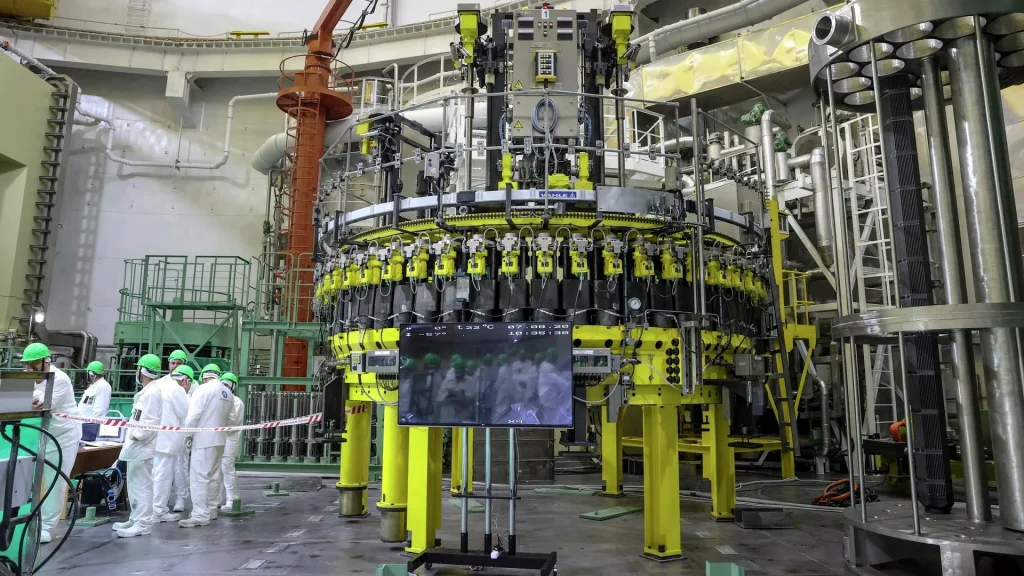
The aim to work together on nuclear technology between Ethiopia and Russia started in 2016 when a delegate led by Deputy Prime Minister Demeke Mekonnen visited Russia.
The delegates led by former Deputy Prime Minister Demeke Mekonnenwas able to visit the nuclear infrastructures of Russia, where talks were held with ROSATOM. After a year then, the MoU was signed in Moscow between the then Ministry of Science and Technology (MOST) and Russia’s Nuclear Technology Agency, envisaging the development of nuclear infrastructure in Ethiopia, and raising public awareness of nuclear technologies and its application.