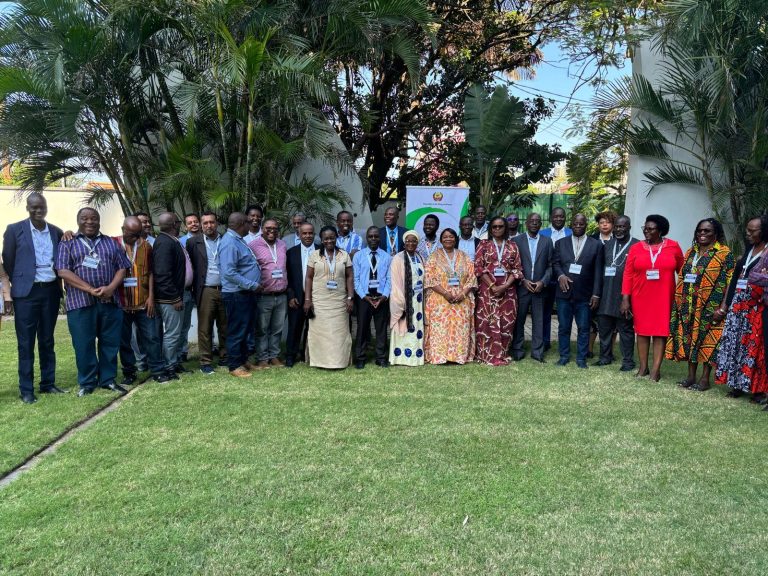

In Oromia’s classrooms and community spaces, a quiet transformation is taking place—one that may shape Ethiopia’s future more profoundly than any physical megaproject. Through strategic partnerships, evidence-based planning, and large-scale capacity building, the Oromia National Regional State and the African Centre for Early Childhood Development (AfC-ECD) are laying the foundation for a new era of Early Childhood Development and Education (ECDE).
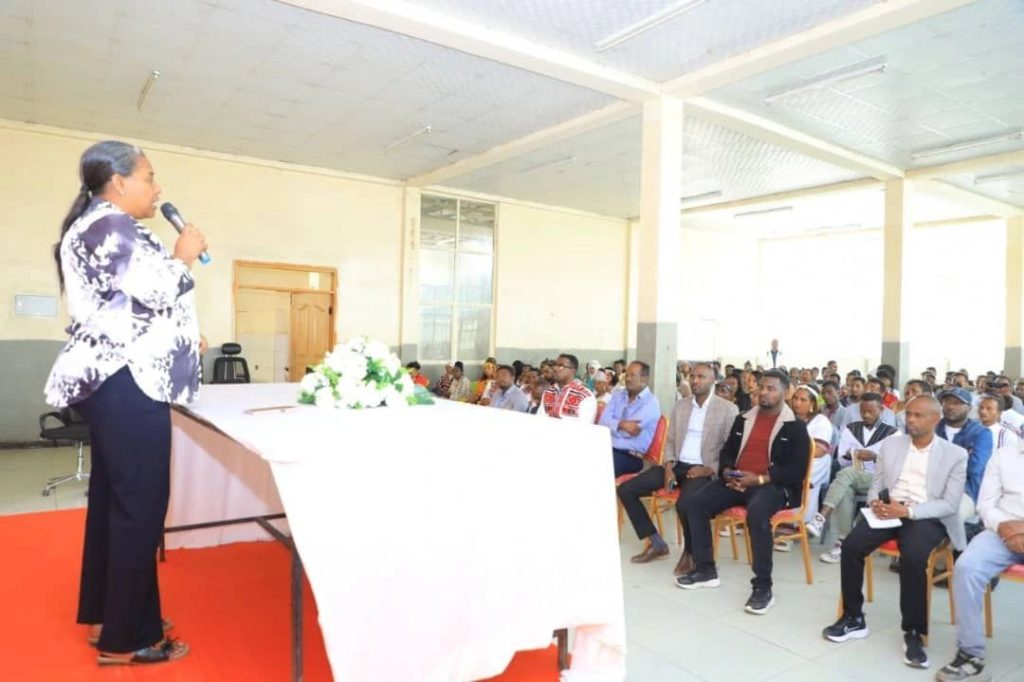
Last week, the Oromia Regional State Bureau of Education, in collaboration with AfC-ECD, launched a major training initiative aimed at strengthening play-based learning in pre-primary education. The program targets 2,587 pre-primary teachers and school leaders across 33 towns, equipping them with modern, child-centered teaching approaches that prioritize creativity, social interaction, and holistic development.
More than a short-term intervention, the training is designed as a scalable model. Through structured lectures, peer learning, and group discussions, participants are prepared not only to improve classroom practice but also to serve as trainers in their own communities. This cascading approach is expected to extend the reach of the program across the entire region, helping institutionalize quality ECDE practices.
From Data to Action: Turning Evidence into Policy
Oromia’s expanding ECDE agenda is firmly rooted in research. AfC-ECD recently conducted and disseminated a comprehensive Early Childhood Development baseline survey in the presence of senior regional leadership, including President Shimelish Abdissa. The study assessed children’s learning environments, developmental outcomes, and service accessibility, providing policymakers with a clear picture of existing gaps and opportunities.
Using this evidence, the regional government has begun scaling up successful pilot initiatives and refining its implementation strategies. The goal is not merely expansion, but transformation—ensuring that growth in access is matched by improvements in quality and equity.
National Leadership and Political Commitment
Ethiopia’s growing focus on early childhood is reflected at the highest levels of government. Speaking in January 2026, Prime Minister Abiy Ahmed emphasized that long-term national development depends on sustained investment in young children.
While highlighting the country’s major infrastructure achievements, he underscored that human capital remains Ethiopia’s most valuable asset. Over the past five years, more than 35,000 kindergartens have been constructed nationwide, alongside thousands of child-friendly public spaces and sports facilities.
“These investments,” the Prime Minister noted, “are the pillars of our future productivity, stability, and social cohesion.”
His remarks reaffirmed a national shift toward prioritizing early learning, physical well-being, and social development as central to Ethiopia’s transformation agenda.
Addis Ababa: A Model for Urban Child Development
At the municipal level, Addis Ababa has emerged as a laboratory for innovative ECD programming. Under the “Children: The Future Hope of Addis Ababa” (FHOA) initiative, launched in 2021, the city has integrated education, health, urban planning, and social services into a unified framework for early childhood support.
One of the flagship components is the construction of safe and inclusive playgrounds. The city plans to establish 12,000 child-friendly recreational spaces by 2026. By mid-2025, more than 2,100 had already been completed, featuring green design principles, safety standards, and age-appropriate facilities.
City officials report measurable improvements in children’s physical activity, social interaction, and readiness for school—demonstrating how urban planning can directly contribute to human development.
AfC-ECD: From National Hub to Regional Leader
Established in 2022, AfC-ECD has rapidly evolved into a center of excellence for early childhood development in Africa. Based in Addis Ababa, the institution provides technical support, research expertise, and policy guidance to both Ethiopian regions and international partners.
In January 2026, AfC-ECD experts undertook a technical mission to Mombasa County, Kenya, at the request of local authorities. The visit focused on evaluating existing services and preparing a county-wide baseline study. The initiative reflects Ethiopia’s growing role in shaping regional ECD policy and practice.
Through such engagements, AfC-ECD is helping countries design data-driven strategies that respond to children’s developmental needs during their most formative years.
Expanding Evidence-Based Programming Nationwide
Within Ethiopia, AfC-ECD has spearheaded large-scale baseline surveys in Amhara, Central Ethiopia, and Sidama regional states. These studies examine multiple dimensions of child development—cognitive, linguistic, social-emotional, and physical—alongside community participation and governance frameworks.
The research process integrates digital data collection, standardized training materials, and ethical protocols to ensure accuracy and consistency. High-level launch and dissemination events in Bahir Dar, Hawassa, and Hosaina have strengthened political ownership and cross-sector collaboration.
Findings from these studies are now being translated into regional action plans, investment strategies, and service delivery reforms.
Notably, the Dire Dawa baseline survey was officially presented in April 2025 through a multi-stakeholder workshop, producing technical reports, policy briefs, and public summaries tailored to different audiences. Similar efforts are underway in Oromia, where data has been refined to support donor engagement and long-term planning.
Investing in the Workforce
Recognizing that systems are only as strong as the people who operate them, AfC-ECD has placed workforce development at the center of its strategy. Six national training manuals—covering health, nutrition, and early learning—have been developed and translated into Amharic.
Training-of-trainers programs now reach health extension supervisors, school principals, and early childhood educators across multiple regions. In Dire Dawa alone, more than 220 frontline workers have received specialized instruction, with additional rounds planned.
These investments are helping professionalize the ECDE sector and ensure that children receive consistent, high-quality support regardless of location.
Looking Ahead: Sustaining Momentum
To consolidate these gains, AfC-ECD is developing a comprehensive national monitoring and evaluation framework. The system will track progress, identify emerging gaps, and promote continuous learning across institutions.
By strengthening coordination among federal ministries, regional bureaus, municipalities, and community organizations, the initiative aims to ensure that Ethiopia’s ECD agenda remains resilient, transparent, and responsive.
A Strategic Investment in Human Potential
As Ethiopia continues to modernize its cities, expand infrastructure, and pursue economic growth, its most strategic investment is unfolding in less visible spaces—preschools, playgrounds, health posts, and family homes.
In Oromia and beyond, the shift from pilot projects to large-scale, evidence-driven programming reflects a growing understanding: sustainable development begins in early childhood.
For policymakers and practitioners alike, the message is increasingly clear. Roads and dams may power the economy, but it is children—nurtured, protected, and educated from the start—who will ultimately carry the nation forward.