
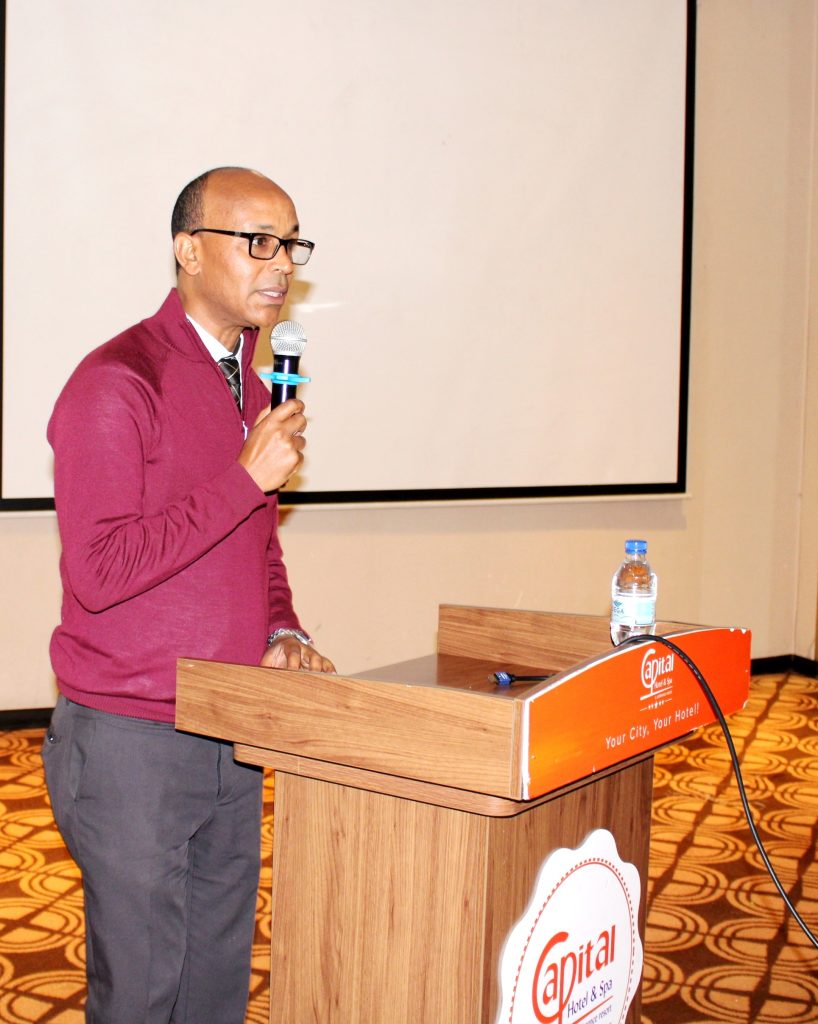
Addis Ababa (February 13, 2024) : Promoting a broader understanding of modern agricultural biotechnology tools like Genome Editing /GEd/ among the pubic through effective communication its vital, Dr. Kassahun Tesfaye , Director General of Ethiopian Bio and Emerging Technology Institute (BETin) underscores.
Dr. Kassahun was addressing participants of a two-day workshop opened today here in Addis Ababa on “Training on Genome Editing Technology” which is attended by representatives of biotech and agricultural research institutes, universities, the regulator Ethiopian Environmental Protection Authority (EPA) and other individual experts.
The Director General at the occasion commended participants for their active contributions and the move they have made in the national communication strategies development and all related activities as a prelude creating a level playing field for the actual Genome Editing researches ahead of time.
He said that bringing all stakeholders including media professionals, regulators and other pertinent bodies together is instrumental so as to achieve Ethiopia’s national goals and aspirations of growth and development as well as realizing Agenda 2063 set by the African continent.
Therefore, he added, specially the growing constructive engagement and support of the Ethiopian Environment Protection Authority (EPA) is bearing fruits and he expressed his appreciation for EPA’s leadership for the regulatory services they have provided so far.
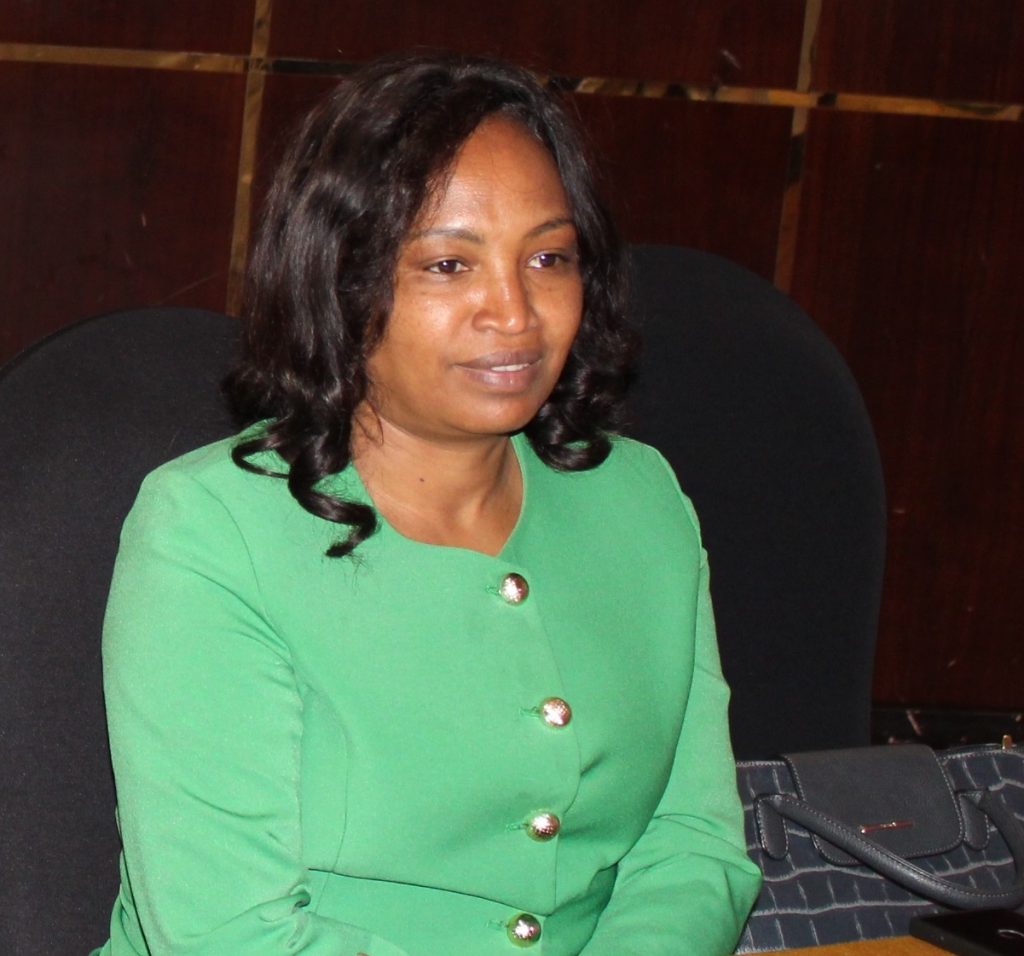
Deputy Director General of the Ethiopian Environment Protection Authority (EPA) Mrs. Firenesh Mekuria on her part pointed out : “As Genome Editing is taking roots in the global scientific community, Ethiopia’s scientists should not lag behind in the uptake of the modern technology to aid agricultural development in Ethiopia.”
She also pledged for continued support of her Authority to the biotech community in the time to come. “We have always been part of the biotechnology research community in a sense of providing our professional supports and that would always continue in the future.” She added.
The Genome Editing initiative is supported by the African Union Development Agency – NEPAD through its Centre of Excellence in Science, Technology, and Innovation and other countries Ghana, Kenya, Nigeria, Zambia, Malawi, Mozambique, Zimbabwe are also part of the pilot project initiatives in Africa.
According to Professor Firew Mekibeb of Haramaya University, in terms Genome editing research Africa has a big potential and is currently doing well. However , the continent missed the opportunity in using the transgenic crops /GMOs/ technology eras in almost the last two decades.
But, when it comes to Genome Editing there are encouraging indicators that African scientists are in the right track to be able to develop “African Own Technologies, By Africans and On the African Soil.” This is encouraging, he said, adding that the development of national GEd communication strategies and the continental training modules on critical issues of Genome Editing are among the encouraging indicators.
As to Professor Firew, African researchers have also taken practical steps in using CRISPR/Cas-based genome editing to improve African staple crops for various purposes.
The Addis Ababa University, in collaboration with the Swedish University of Agricultural Sciences, is working on improving oil quality and quantity of Ethiopian Mustard through CRISPR-Cas9. This research seeks to develop novel lines with edible or healthy seeds and oil quality.
The Kenyan Agricultural and Livestock Research Organization (KALRO) also partnered with CIMMYT and Corteva Agriscience are using genome editing to develop maize lines resistant to the maize lethal necrosis virus. These resistant lines will soon be undergoing field testing.
Development and commercialization of genome edited sorghum in Ethiopia and Kenya is expected to have a spill-over effect across the rest of Africa. In Kenya (Kenyatta University) and Ethiopia (Addis Ababa University), a USAID-Striga Smart Sorghum for Africa (SSSfA) project, which intends to use CRISPR genome editing technology to develop new sorghum varieties resistant to Striga (a parasitic weed) is also well underway .
Researchers at the Ethiopian Institute of Agricultural Research (EIAR) have embarked on a genome-editing project to address the lodging problem in tef to improve grain productivity.
The project is a collaboration between EIAR and the Donald Danforth Plant Science Center’s Institute for International Crop Improvement, USA, and seeks to target the same genes in the tef genome to develop semi-dwarf tef varieties using the CRISPR Cas9 gene editing technology.