
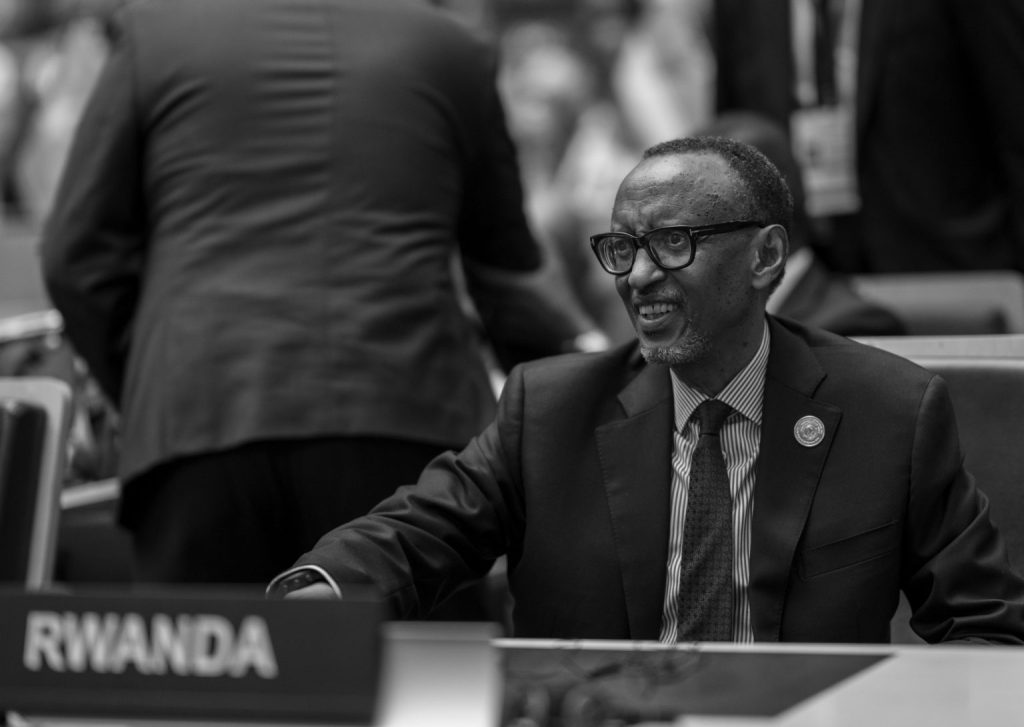

Addis Ababa (February 17, 2024) : Rwandan President Paul Kagame disclosed that the reform processes of the African Union (AU) are hindered by lack of political will from leaders and member states themselves.
Presenting a report “On The Institutional Reform Of The African Union” at the 37th Ordinary Session of the African Union (AU) Assembly of the Heads of State and Government which is opened on today at the AU headquarters in Addis Ababa, the capital of Ethiopia, Kagame said: “We know where we want to be as a continent. Now, what seems often to be missing is the political will to implement what we ourselves have decided.”
President Kagame Outlines Challenges of AU Reform
Kagame who pointed out those African leaders still have a long way to go, for the African Union to be as strong as they want and need it to be, indicated : “the reform journey must not end here, even though I believe the time has come, with your permission, to conclude the mandate entrusted to me in 2016.”
“We will of course need continued strong support from Heads of State in implementing the institutional reform and preventing backsliding into inefficient ways of conducting our business.”
“On this matter, I have already raised with the Chairperson of the Commission the fact that we need another Head of State who has the understanding and the backing of their peers, the Heads of State of our continent. I have already suggested to the Chairperson a name but we have not yet contacted the person we have in mind to be able to continue this task of the reforms and their implementation.”
According to Kagane, there are a few pending items which need to be finalized related to the restructuring of the African Union organs, and the division of labour between the Commission and Regional Economic Communities, as referred to earlier.
He said that responsibility for completing these steps should rest with the Commission, working in close consultation with Member States. “I understand that details of the remaining matters have been shared by the Commission with the PRC and the Executive Council, and I urge that they be completed without further delay.”
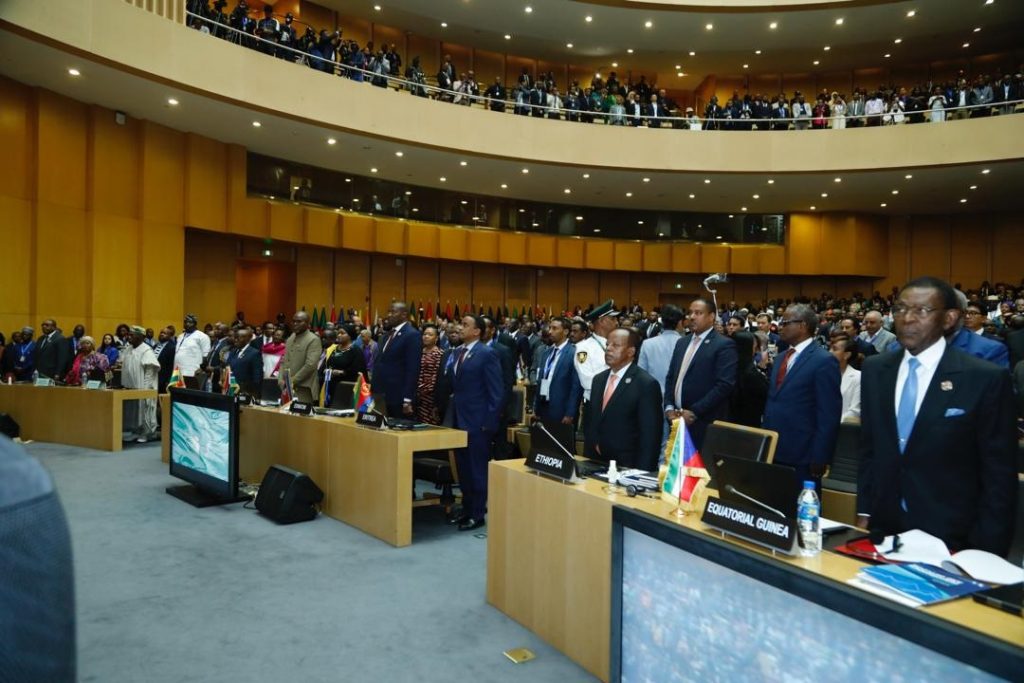
The AU Assembly agenda continues to be too lengthy, with many items that do not require the consideration of Heads of State. If the leaders want to be productive, they must prioritize the most important items, as they agreed at the outset of the institutional reform , he added.
There seems to be a need to clarify the role of the Chairperson of the African Union in relation to the Chairperson of the Commission. This has become more important as we work out how Africa will be represented at the G20 and similar gatherings.
The principle of subsidiarity continues to be misinterpreted. Too often, there is an incoherence in decisions taken at the continental and regional levels, the president said.
“Africa is not a monolith. Member States will always have differing views. We should not pretend these differences do not exist, but should focus on finding a middle ground. Here, we should keep in mind the global context. The world is facing unprecedented crises, and everyone is impacted, without any exception. We therefore have to — more than ever — depend on each other.”
The legislative and judicial bodies like the Pan-African Parliament and the African Court of Justice should operate with clear rules and mandates. Otherwise, they act more as advisory organs and cannot fulfil their original function.
Decisions taken at the level of Heads of State continue to be revisited and revised, or even resisted, by some members of the Permanent Representatives Committee, which should really be unacceptable.
“We even see parallel structures created, whose main purpose seems to be to frustrate and delay the reforms which the Heads of State have suggested and put in place. For example, the restructuring of the organs has been stalled for years in such maneuvers.”
Yet, he added, the Constitutive Act is clear on the rules of procedure and the division of labour between the PRC and the Executive Council. We should bring out clearly the concerns that Member States may have, and deal with that directly and quickly.
The Commission has introduced a draft decision on the realignment of the African Union institutions to deliver against key priorities with continental scope, and this merits our support.
“I propose to work with Chairperson Moussa Faki, as I mentioned earlier, to identify one or more amongst ourselves who may be willing to continue this role and join the effort to monitor and supervise the final stages of the reform process. We have a person in mind and we will bring that to the attention of this meeting for your endorsement,” Kagame indicated.
In 2016, this Assembly decided to reform our Union to make it more effective and financially sound.A great deal has been accomplished. In fact, most of the items originally included in the report which I presented in January 2017 are complete.
“I thank the African Union Commission, under the leadership of Chairperson Moussa Faki, as well as the Reform Unit, led by Professor Pierre Moukoko, for their tireless work over the past eight years.”
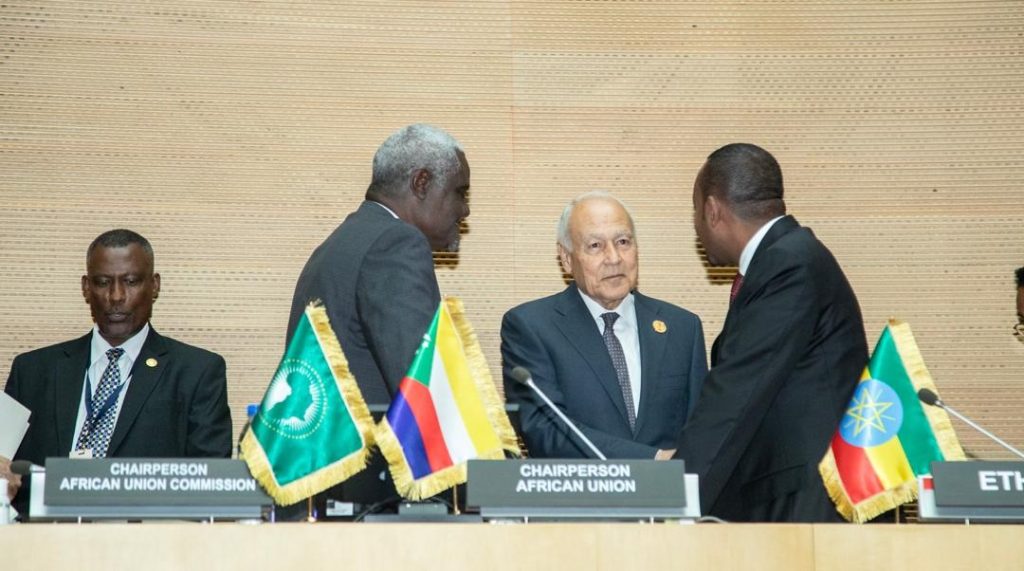
Kagame Highlights Progresses of AU Reform
Among the achievements we can point to is the revitalization of the Peace Fund. Almost $400 million has been mobilized. As a direct result, the United Nations Security Council recently decided to finance three-quarters of African Union peace operations for the first time.
This was only possible because the African Union today is more fit-for-purpose than it was. And we are getting better at defining our common interests and advocating for them, Kagame said.
The two-day 37th AU Summit , comprising African leaders from AU member states, is held under the AU’s theme of the year for 2024, “Educate an African fit for the 21st Century: Building resilient education systems for increased access to inclusive, lifelong, quality and relevant learning in Africa.”
Apart from the theme of the year, African leaders are expected to deliberate on continental issues, ranging from regional peace and security to continental development, the reform of the AU, and Africa’s increased presence on the international stage.